

Crystal Methamphetamine: Effects Risks & Treatment Guide
Crystal Methamphetamine: An Overview
Crystal methamphetamine is a man-made stimulant that affects the central nervous system. It is also often called crystal meth, meth, ice or glass. Unlike medicines that are given by doctors in a controlled way illegal crystal methamphetamine is linked to a chance of becoming addicted, serious health issues and overdosing.
Understanding the effects and dangers of crystal methamphetamine is important for people who might be using it, families helping someone with a drug problem and people looking for help with treatment.
Methamphetamine affects parts of the body including the brain, heart, nervous system and mental health. Using it over and over can lead to a substance use disorder. Make it hard to stop without proper help.
The good news is that crystal meth addiction can be treated. Evidence-based treatments and structured recovery programs can help people reduce or quit using stimulants and rebuild their health and daily life. SAMHSA says contingency management is a proven method that works well for stimulant use disorders.
What Is Crystal Methamphetamine?
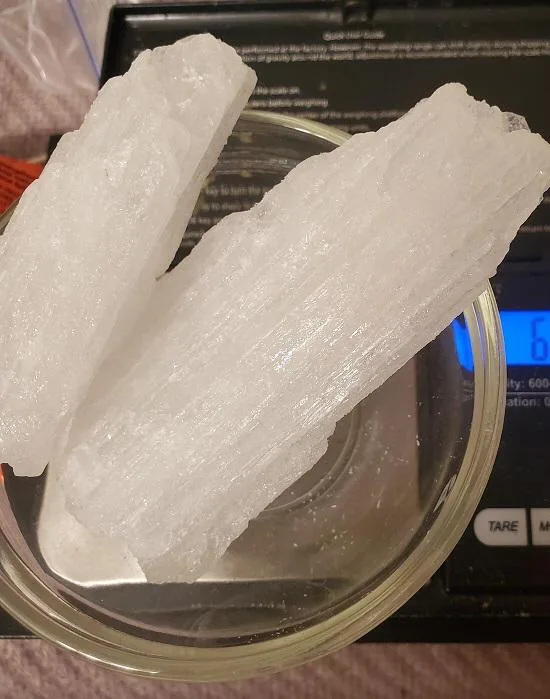
Crystal methamphetamine is a crystal form of methamphetamine, a man-made stimulant.
It is different from medicines that are given by doctors under care because illegal crystal methamphetamine is made and sold outside of proper drug systems.
The drug can cause stimulation and changes in brain activity. Its effects can influence:
Alertness
Energy
Attention
Mood
Heart rate
Blood pressure
Sleep
Appetite
Judgment
Behavior
The strength and length of effects can be very different for each person and situation.
Because illegal drugs can also have things in them a person may not know exactly what they have taken. This adds danger and risk of overdose.
Crystal Methamphetamine Effects on the Brain
One of the effects of crystal methamphetamine is on the brain.
Methamphetamine changes how the brain’s chemical systems work that are involved in reward, motivation, attention and movement.
These changes can lead to short-term feelings of energy or alertness.. Using it over and over can change reward systems and lead to strong drug-seeking behavior.
How Crystal Meth Affects Reward Pathways
The brain’s reward system helps reinforce behaviors that’re important for survival.
Strong stimulants can greatly activate this system.
Using the drug again and again may make drug-related rewards important while making normal activities less interesting.
This can create a cycle where a person keeps using the drug if:
They have problems in relationships
They have money issues
They have health problems
They have issues at work or school
They face problems
They feel emotional pain
This is one reason addiction should be seen as a health condition, not just a lack of willpower.
Short-Term Crystal Methamphetamine Effects
The short-term effects of crystal methamphetamine can include energy and big changes in how the body and mind work.
Possible effects can include:
More alertness
Feeling restless
appetite
Faster heart rate
Higher blood pressure
Trouble sleeping
Feeling anxious
Feeling irritated
Feeling restless
Feeling paranoid
Changes in thinking
Higher body temperature
The effects can become dangerous especially if there are serious heart or brain symptoms.
A person having chest pain, trouble breathing, seizures, extreme restlessness, losing consciousness or other medical emergencies should get help right away.
Long-Term Crystal Methamphetamine Risks
Using crystal methamphetamine over and over can cause long-term issues.
Possible risks from crystal meth can affect parts of health.
Cardiovascular Risks
Long-term use of stimulants can put a lot of pressure on the heart and blood vessels.
Possible problems may include:
High blood pressure
Irregular heartbeats
Damage to the heart
chance of serious heart problems
People with existing heart conditions may be more at risk.
Mental Health Risks
Using methamphetamine over and over can also affect health.
Some people may experience:
Anxiety
Depression
Big changes in mood
Paranoia
Hallucinations
Symptoms of psychosis
Irritability
Trouble sleeping
Health issues can sometimes continue even after the drug use stops and should be checked by a professional.
Cognitive and Neurological Effects
Long-term use of stimulants can affect memory, focus, decision-making and other thinking skills.
Recovery can take time.
A person’s thinking and emotional abilities may slowly get better with staying off the drug, habits and the right help.
Crystal Methamphetamine Addiction: Why Dependence Develops
Crystal meth addiction can form when using the drug often changes the brain’s reward and motivation systems.
Over time a person may start to feel urges to use it or have trouble controlling their use.
Signs that someone may be addicted can include:
Using it than they plan
Trying to stop but failing
Spending a lot of time getting or dealing with the drug
Using it even when it causes problems
Ignoring work or family duties
Losing interest in normal activities
Feeling strong cravings
Using it even when it causes relationship problems
These signs can mean a person has a stimulant use disorder and needs a professional checkup.
Signs of Crystal Methamphetamine Addiction
Families sometimes notice changes before the person realizes the problem.
Possible signs of methamphetamine addiction can include:
Behavioral Changes
More secrecy
Sudden changes in friends
Missing work or school
Money problems
Ignoring duties
Taking unusual risks
Trying hard to get the drug
Physical Changes
Big changes in weight
Sleep issues
Faster heart rate
Dental problems
Skin issues
Poor eating habits
Feeling very tired
Psychological Changes
Anxiety
Irritability
Suspiciousness
Mood swings
Paranoia
Depression
Confusion
Not all of these symptoms mean someone is using methamphetamine.
A professional checkup is needed to know what is really happening.
Crystal Methamphetamine and Mental Health
There is a link between using stimulants and mental health.
Some people use stimulants when they are dealing with depression, anxiety, trauma or other mental health issues.
Others may develop health issues after using stimulants a lot.
This can make a cycle:
Mental health issues → using drugs → temporary changes in mood → worse problems → using drugs more.
Good treatment should look at the person.
Methamphetamine-Induced Psychosis
Severe or repeated use of stimulants can lead to symptoms like hallucinations or paranoia.
Someone with bad paranoia seeing things that are not there confusion, aggressive behavior or not knowing what is real may need urgent help from a professional.
Do not try to handle a serious mental health emergency alone.
Crystal Methamphetamine and Physical Health
The effects of methamphetamine are not on the brain.
Using it over and over can affect:
The heart
Blood vessels
Brain
Teeth
Skin
Sleep
Nutrition
Immune system
health
Poor eating habits and not sleeping enough can make physical and mental health problems worse.
Treatment should look at health issues along with drug use.
Crystal Meth Withdrawal: What to Expect
Crystal meth withdrawal can happen when someone who has used meth regularly starts to use less or stops.
Withdrawal experiences are different for each person.
Possible symptoms can include:
Feeling very tired
Sleeping
Feeling sad
Feeling anxious
Feeling upset
Strong cravings
Eating more
Trouble focusing
Less motivation
Troubled sleep
NIDA has research resources that focus on crystal meth withdrawal and the physical, emotional and functional symptoms.
Why Withdrawal Can Be Hard
Withdrawal is not about feeling uncomfortable.
Cravings, sadness, changes in sleep and things around a person can make it hard to recover.
Someone may feel better for a time after using the drug again which makes it harder to stop.
Professional help can give structure and support during this time.
How Long Does Crystal Meth Withdrawal Last?
There is no time frame that works for everyone.
The experience can depend on:
How they used
How often they used
How much they used
Their health
Sleep habits
Other mental health issues
Other drugs used
Previous attempts at treatment
Some symptoms may get better quickly while feeling sad and cravings can last longer.
Of just looking at how many days treatment should focus on managing symptoms, lowering the chance of relapse and building habits for long-term recovery.
Crystal Methamphetamine Treatment Options
The important thing for someone struggling with crystal meth addiction is that help is available.
Treatment can include parts depending on the person’s needs.
Professional Assessment
Treatment usually starts with a checkup.
A trained professional may look at:
History of drug use
Physical health
Mental health
Previous treatment
Family situation
home
Job status
Other drugs used
This helps create a plan for recovery.
Behavioral Treatment
Therapy is a part of treating stimulant use disorder.
Treatment may focus on:
Finding out what triggers use
Managing cravings
Learning ways to handle stress
Improving decisions
Building healthy routines
Avoiding relapse
Getting support from others
Contingency Management
Contingency management has strong proof of working for stimulant use disorders.
SAMHSA says contingency management has an evidence base for stimulant use disorders.
Counseling and Recovery Support
One-on-one counseling can help people understand why they use drugs and learn ways to handle problems.
Group support can also help reduce feeling and offer encouragement from others going through similar challenges.
Is There Medicine for Crystal Methamphetamine Addiction?
This is a point.
There is currently no medicine approved by the FDA to treat stimulant use disorder according to SAMHSA.
Researchers are still looking for medicines.
For example NIDA studies looked at using extended-release naltrexone and extended-release bupropion for methamphetamine use disorder.
Research results should not be seen as permission to use medicine on your own.
Any medicine used during recovery must be. Watched by a doctor.
Crystal Meth Recovery: Building a Long-Term Plan
Stopping the drug is a first step but long-term recovery often needs more than just stopping.
A good plan, for crystal meth recovery can include:
Professional treatment
Counseling
Medical care
Mental health support
Healthy sleep
Nutrition
Exercise
Family support
Peer recovery groups
Relapse-prevention planning
Identifying Triggers
Triggers can include:
Certain people
Places
Emotions
Stress
Financial problems
Sleep deprivation
environments
Drug-related memories
Learning to identify triggers can make it easier to develop alternative responses.
Developing Healthy Routines
Recovery becomes easier to maintain when daily life becomes more structured.
Helpful routines may include:
Regular sleep
Balanced meals
Exercise
Work or education
Therapy appointments
Social support
Meaningful hobbies
Small consistent improvements can become parts of long-term recovery.
Crystal Meth Relapse Prevention
Relapse can happen during recovery. It does not mean treatment has failed.
A relapse-prevention plan can identify:
triggers.
Early warning signs.
People who provide support.
Healthy coping strategies.
Professional contacts.
Emergency plans.
The earlier someone recognizes warning signs the additional support can be requested.
When Should Someone Seek Methamphetamine Treatment?
Treatment should not be delayed until a person reaches a crisis.
Professional help may be appropriate when someone:
Cannot stop using
tries and returns to use
Experiences strong cravings
Has health problems related to use
Has relationship difficulties
Misses work or school
Experiences depression or paranoia
Wants to stop but cannot do independently
Even if someone is unsure whether their substance use qualifies as addiction an assessment can provide useful information.
How Families Can Help Someone With Crystal Meth Addiction
Families often feel fear, frustration and confusion when someone they care about is struggling with addiction.
Helpful approaches include:
Encourage professional assessment
Listen without judgment
Set boundaries
Avoid enabling behavior
Support treatment attendance
Learn about addiction
Encourage routines
Seek family counseling when appropriate
Family members should also protect their own physical and emotional well-being.
Addiction affects households, not only the person using the substance.
Choosing a Crystal Methamphetamine Treatment Program
When searching for meth addiction treatment consider whether a program offers:
Qualified Professionals
Look for licensed healthcare and behavioral-health professionals.
Individualized Treatment
A good program should recognize that every patient’s circumstances are different.
Mental Health Support
Treatment should be able to address cooccurring mental health conditions when present.
Evidence-Based Approaches
Ask which treatment methods are used and whether they have evidence supporting their effectiveness.
Continuing Care
Recovery often benefits from support after intensive treatment ends.
Confidentiality
Patients should understand how their medical information is handled and protected.
Online Support for Methamphetamine Addiction Treatment
Digital healthcare and telehealth may provide access to professional support where legally available.
Online services can potentially assist with:
consultations
Counseling
Follow-up appointments
Recovery education
Mental health support
Treatment coordination
However patients should verify that an online provider uses qualified professionals and follows applicable healthcare regulations.
A legitimate treatment service should focus on care and recovery not on supplying illicit substances.
Why Professional Treatment Is Better Than Trying to Manage Addiction
Some people attempt to stop using it without professional support.
While personal commitment is valuable addiction can involve cravings, mental health symptoms, environmental triggers and relapse risks.
Professional care can provide:
Structured treatment
Clinical assessment
health support
Behavioral therapy
Recovery planning
Relapse prevention
Continuing care
Seeking help is not a sign of weakness.
It is a step toward improving health and quality of life.
FAQ
What is crystal methamphetamine?
Crystal methamphetamine is a form of methamphetamine a powerful synthetic stimulant that can produce serious health effects and has significant addiction potential.
Is crystal meth addictive?
Yes. Repeated methamphetamine use can lead to stimulant use disorder and compulsive patterns of use.
What are the effects of crystal methamphetamine?
Potential effects include increased stimulation, reduced appetite, sleep disruption, increased heart rate, increased blood pressure, anxiety, agitation and other physical or psychological effects.
What are the long-term risks of crystal meth?
Long-term risks can involve health, mental health, cognitive functioning, dental health, sleep, nutrition and overall well-being.
What are crystal meth withdrawal symptoms?
Withdrawal can include tiredness, increased sleep, depression, anxiety, irritability, increased appetite, cravings and difficulty concentrating.
Is there a cure for methamphetamine addiction?
Addiction is treatable. Recovery is usually an ongoing process. Behavioral treatment, contingency management, counseling, medical care and continuing recovery support can all play roles.
Is there an FDA-approved medication for methamphetamine addiction?
According to SAMHSA there is currently no FDA-approved medication for stimulant use disorders. Behavioral interventions such as contingency management have evidence supporting their use.
Can someone recover from crystal meth addiction?
Yes. Many people make progress through treatment and sustained recovery support.
When should someone seek treatment?
Anyone who wants to stop but cannot experience repeated relapse develops health problems or notices effects on work, relationships or daily life should consider professional assessment.
How can I find treatment?
Look for an addiction-treatment provider qualified healthcare professional or established behavioral-health program that offers evidence-based care and individualized treatment planning.
Final Thoughts on Crystal Methamphetamine
Crystal methamphetamine is a stimulant associated with significant risks to physical health, mental health, relationships and overall quality of life. Repeated use can contribute to addiction while withdrawal may involve fatigue, depression, cravings, sleep changes and other challenges.
However addiction does not have to define a person’s future.
Evidence-based treatment can help people move toward recovery. Behavioral therapies, counseling, structured recovery programs and contingency management are treatment approaches for stimulant use disorders. SAMHSA specifically identifies contingency management as an evidence-supported intervention for stimulant use disorders.
If you or someone you care about is struggling with methamphetamine use, professional assessment is a first step. A qualified treatment provider can evaluate the situation, identify medical and mental-health needs and develop a recovery plan.
The strongest promotional message for a healthcare website is therefore simple: provide information, encourage professional treatment and make it easy for people to connect with legitimate recovery support.
