

Dexedrine Uses Dosage Side Effects & Safety Guide
Dexedrine uses, Dexedrine dosage, Dexedrine side effects, Dexedrine safety, Dexedrine for ADHD, Dexedrine prescription, dextroamphetamine, dextroamphetamine dosage, Dexedrine warnings, Dexedrine medication, ADHD treatment
What Is Dexedrine?
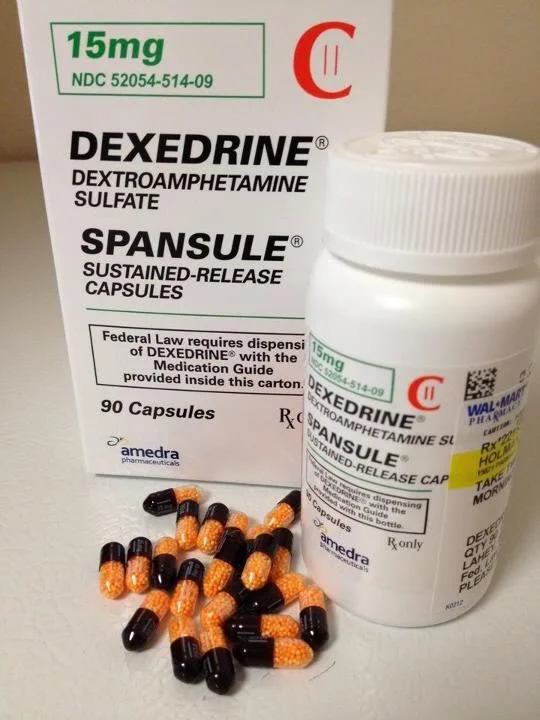
Dexedrine is a brand name that is related to dextroamphetamine, a medicine that is prescribed and is a central nervous system stimulant. Dextroamphetamine is used to control symptoms of attention-deficit/hyperactivity disorder (ADHD) and to treat narcolepsy. It works by changing the amounts of naturally occurring substances in the brain.
Dexedrine is part of a group of medicines that can improve attention and help control symptoms when it is given for the right medical condition.
However Dexedrine is not a general-purpose energy or productivity medicine. It is a prescription stimulant with risks, including misuse, abuse, dependence and addiction.
The current information for dextroamphetamine sulfate has a warning about abuse, misuse and addiction. Misuse or abuse can lead to overdose and death especially when the medication is taken in doses or in ways that are not approved.
For this reason Dexedrine should only be taken exactly as prescribed by a healthcare professional.
Dexedrine Uses: What Is Dexedrine Used For?
The main Dexedrine uses involve ADHD and narcolepsy.
Dextroamphetamine is a central nervous system stimulant. It is used as part of a comprehensive treatment program for ADHD. It is also used for narcolepsy.
Dexedrine for ADHD
ADHD can affect attention, impulse control organization, activity level and everyday functioning.
People with ADHD may experience difficulties such as:
Trouble concentrating
Forgetfulness
Difficulty completing tasks
Impulsivity
Poor organization
Restlessness
Difficulty managing time
Problems maintaining attention
For patients who are properly diagnosed, stimulant medication may help reduce symptoms.
Medication is usually one part of an ADHD management plan. Depending on the person, treatment can also include strategies, therapy, educational support organizational techniques and regular medical follow-up.
Dexedrine for Narcolepsy
Another important Dexedrine use is narcolepsy.
Narcolepsy is a sleep disorder that is connected with excessive daytime sleepiness and sudden episodes of sleep.
Dextroamphetamine can be used under supervision to help manage excessive daytime sleepiness that is connected with narcolepsy.
Dexedrine should not be used simply to make up for tiredness, lack of sleep or demanding work schedules.
How Does Dexedrine Work?
Dexedrine has dextroamphetamine, which affects the activity of neurotransmitters in the nervous system.
These neurotransmitters are involved in processes such as:
Attention
Alertness
Motivation
Impulse control
functioning
For patients with ADHD the goal is to improve symptoms that are clinically significant rather than just create stimulation.
The response to dextroamphetamine can be very different between people.
One person may feel an improvement with few side effects while another may need a different approach.
This is why a personal medical evaluation is important.
Dextroamphetamine and Brain Chemistry
Dextroamphetamine changes the activity of natural substances in the brain. MedlinePlus says it is a central nervous system stimulant.
The response to treatment depends on things, including the patient’s diagnosis, the medicine that is prescribed the dose, medical history, other medicines and individual response.
Patients should never try to copy another person’s treatment plan.
Dexedrine Dosage: How Is the Dose Determined?
Dexedrine dosage is decided by a healthcare professional.
There is no one dose that is right for every person.
A doctor might take into account:
Age
Medical condition
Severity of symptoms
treatment
Response to medicine
Side effects
Other medicines
Heart health
Mental health history
Risk of misuse or addiction
MedlinePlus says that doctors often start dextroamphetamine at a lower dose and may slowly increase it, usually not more than once a week.
This does not mean patients should change their dose.
Dexedrine Starting Dose
The right starting dose depends on the type of medicine and the person’s situation.
Dextroamphetamine can come in forms such as tablets and extended-release capsules. MedlinePlus gives instructions depending on the type.
Because of these differences online charts should not replace the instructions on a person’s prescription.
Dexedrine Dose Adjustments
A doctor may change the treatment based on:
Symptom control
How the medicine works
Sleep
Appetite
Blood pressure
Heart rate
Mood
Side effects
Overall response
If symptoms are not controlled the best way is to talk to the doctor.
Increasing the dose without a doctors help can increase risks without making treatment
Dexedrine Immediate-Release and Extended-Release Forms
People looking for Dexedrine may come across forms of dextroamphetamine.
Dextroamphetamine Immediate-Release Tablets
MedlinePlus says that dextroamphetamine tablets are usually taken two or three times a day with doses given hours apart as prescribed.
The exact schedule depends on the prescription.
Extended-Release Dextroamphetamine
Extended-release capsules are made to last and are taken once a day as prescribed.
MedlinePlus says to swallow extended-release capsules and not to chew or crush them.
Patients should not switch from an immediate-release product to an extended-release product without advice.
Dexedrine Side Effects
Like prescription stimulants, Dexedrine can cause side effects.
Possible side effects include:
Headache
Dry mouth
Unpleasant taste
Constipation
Weight loss
Changes in sex drive or ability
Trouble sleeping
Changes in appetite
Mood changes
MedlinePlus says that people should contact their doctor if side effects are severe or do not go away.
Side effects can be different for each person depending on the medicine, the dose and other factors.
Dexedrine and Appetite
Losing appetite can happen during dextroamphetamine treatment.
For children doctors may watch growth and weight carefully because stimulant treatment can affect weight gain and growth.
Adults who have unexpected weight loss should talk to their doctor.
Dexedrine and Sleep
Trouble sleeping is another problem.
Because dextroamphetamine is a stimulant, taking it late in the day can affect sleep. MedlinePlus specifically says not to take dextroamphetamine in the evening because it may make it hard to fall or stay asleep.
Patients should follow their schedule. Not change it on their own.
Dexedrine Side Effects and Warning Signs
Some symptoms need quick medical attention.
Serious reactions can include:
Chest pain
Shortness of breath
Fainting
Seizures
mood changes
Hallucinations
Strong paranoia
Severe agitation
Unusual movements
Vision changes
Severe allergic reactions
MedlinePlus says chest pain, shortness of breath, fainting, seizures, hallucinations, severe mood changes and other symptoms are reasons to contact a doctor right away or get emergency care when needed.
Anyone who has dangerous symptoms should get urgent help.
Dexedrine Safety: Important Risks
Understanding Dexedrine safety is important before starting treatment.
Dextroamphetamine has a chance of being misused. The current DailyMed information has a warning about abuse, misuse and addiction.
Patients should never:
Take more than what’s prescribed
Take it more often than what is prescribed
Use another person’s prescription
Give their medicine to someone else
Change how they take the medicine
Use it for fun
Mix it with other substances without a doctors advice
Taking more than the right dose does not mean better control of symptoms.
Dexedrine and Heart Health
Stimulant medicines can affect the heart.
Patients should talk about any history of:
Heart disease
blood pressure
Irregular heartbeats
Other heart conditions
with their doctor before treatment.
Dextroamphetamine information has heart warnings and MedlinePlus lists symptoms like chest pain, shortness of breath and fainting as signs that need attention.
Patients should not ignore heart symptoms.
Dexedrine and Mental Health
Dextroamphetamine can also have effects on health in some people.
Patients should talk to their doctor about any health history.
Possible warning signs include:
anxiety
Agitation
Unusual suspiciousness
Hallucinations
Big mood changes
Confusion
Unusual behavior
MedlinePlus says to contact a doctor right away if patients have mood changes, suspicion, hallucinations, agitation or other serious symptoms.
Dexedrine Drug Interactions
Before taking Dexedrine patients should tell their doctor about all the medicines and supplements they use.
This includes:
Prescription medicines
Over-the-counter medicines
Vitamins
Herbal supplements
stimulants
Psychiatric medicines
Interactions can change how the treatment works or the risks involved.
Dexedrine and MAO Inhibitors
MAO inhibitors are an interaction to discuss with a doctor.
Patients should tell their doctor if they are taking or have recently taken an MAO inhibitor.
Never mix medicines based on what is online.
Dexedrine With Other Stimulants
Taking more than one stimulant without a doctor’s help can increase the risk of bad effects on the heart and nervous system.
If someone already uses another stimulant they should tell their doctor before starting dextroamphetamine.
Dexedrine and Alcohol
Patients should talk to their doctor about drinking alcohol.
Combining alcohol with medicine can make it harder to notice effects.
The safest way is to follow the advice from the doctor and pharmacist.
Who Should Be Careful With Dexedrine?
Before starting treatment patients should talk about their medical history.
Important details can include:
Heart problems
blood pressure
Mental health issues
Seizures
Thyroid disease
Medicine allergies
Past drug problems
Other medicines
Pregnancy and breastfeeding should also be discussed with a doctor.
Giving medical details helps the doctor decide if dextroamphetamine is right.
Dexedrine Abuse, Misuse and Addiction
One of the important warnings about Dexedrine is about misuse.
Dextroamphetamine can be addictive. The current information specifically warns about abuse, misuse, addiction, overdose and death.
Misuse can mean taking the medicine:
Without a prescription
At a dose than needed
More often than needed
For reasons other than treatment
In a way that is not approved
Patients should take the medicine exactly as told.
Why Dexedrine Should Never Be Shared
Dexedrine is given to a person based on their needs.
Giving it to someone can put that person at serious risk.
It can also cause medical issues.
Keep prescription medicine locked up and away from others.
Dexedrine Withdrawal and Stopping Treatment
People who are on long-term treatment should talk to their healthcare professional before stopping the medication.
This is very important if the medicine was used in amounts than prescribed or was used in a way that was not intended.
Dextroamphetamine can lead to dependence after using it for a long time even if it was taken exactly as prescribed according to the latest information.
A healthcare professional can decide the way to stop the medication based on:
What treatment is currently being used
How long the medication has been taken
The amount taken
Medical history
Mental health
Other medicines being used
Past use of other substances
Do not take someone else’s medication to deal with withdrawal symptoms.
Dexedrine for Children and Teenagers
Dextroamphetamine can be used in treating ADHD in children when a trained healthcare professional decides it is right.
Children need attention.
Healthcare professionals may check:
Height
Weight
Appetite
Sleep
Blood pressure
Heart rate
ADHD symptoms
response
MedlinePlus says that dextroamphetamine might slow down a child’s growth or weight gain which is why tracking growth is important.
Parents should tell the child’s healthcare professional about any changes.
Dexedrine for Adults With ADHD
ADHD can affect adults as well as children.
Adults may have trouble with:
Organizing things
Focusing
Managing time
Work performance
Controlling impulses
Finishing tasks
Handling responsibilities
For an adult who is correctly diagnosed Dexedrine may be part of a treatment plan.
Trouble concentrating does not always mean someone has ADHD.
Sleep problems, anxiety, depression, stress and other issues can cause problems.
A proper check-up is therefore needed.
Non-Medication ADHD Support Alongside Dexedrine
Medicine may be one part of managing ADHD.
Patients may also get help from:
Behavioral Strategies
Having a routine can make tasks easier to manage.
Good methods include:
Writing down a schedule
Making a list of tasks
Using calendar reminders
Using timers
Breaking projects into smaller steps
Therapy and Counseling
Therapy can help patients learn how to organize, handle emotions and deal with behavior issues.
Healthy Lifestyle Habits
Getting sleep, being active, eating well and managing stress can improve overall health.
These methods can work well with medication that is supervised by a professional.
How to Get a Dexedrine Prescription Safely
People looking for a Dexedrine prescription should use healthcare channels.
A proper process usually includes:
Seeing a qualified healthcare professional
Checking symptoms
Looking at history
Evaluating possible risks and interactions
Talking about treatment choices
Getting a prescription when it is right
Getting the medicine from a real pharmacy
Getting follow-up care
Some online healthcare services offer remote visits when allowed by law.
Real online care should still have a proper medical check.
Dexedrine Online: What Patients Should Know
Searching for Dexedrine can find both real healthcare resources and unsafe websites.
Patients should watch out for sites that:
Promise medicine without checking
Tell people to skip the prescription step
Do not show licensed healthcare professionals
Make good to be true medical claims
Give unclear information about pharmacies
Ask people to hide their medical information
A real healthcare service focuses on patient safety not just selling medicine.
How to Choose a Legitimate Online Healthcare Service
Look for:
Qualified medical professionals
Clear rules about prescriptions
patient check
Clear pharmacy details
Follow-up care
Safe handling of personal information
Helpful customer service
If a service seems to encourage risky or illegal use of medicine choose another one.
Dexedrine Storage and Disposal
Keeping the medicine safely is a part of using Dexedrine properly.
MedlinePlus says to keep dextroamphetamine in the container sealed tightly at room temperature away from heat and moisture and out of reach of children.
Because this medicine can be misused, keeping it secure is very important.
Unused medicine should be thrown away through a program or as told by the local pharmacy and rules.
Do not give medicine to someone else.
What If You Miss a Dexedrine Dose?
What to do depends on the form. When it is taken.
MedlinePlus says to take the missed dose when it is remembered unless it is close to the dose, in which case it should be skipped. Patients should not take a dose to make up for a missed one.
If unsure what to do, ask the pharmacist or doctor.
Dexedrine and Long-Term Treatment
Some people may take dextroamphetamine for a time under medical care.
Long-term treatment should be checked regularly.
A healthcare professional may look at:
If symptoms are still a problem
If the medicine is still working
Side effects
Blood pressure
Heart rate
Weight
Growth in children
Signs of misuse
treatment goals
MedlinePlus says doctors may stop dextroamphetamine treatment from time to time to see if it is still needed.
Decisions about treatment should always be personal.
Dexedrine vs. Other ADHD Medications
Dexedrine is one of options that might be used for ADHD.
Other medicines that are stimulants or not stimulants are also available.
A healthcare professional may choose another option when:
Dexedrine does not control symptoms well
Side effects are too hard to handle
The effect does not last enough
Another medicine is better for the patient
Interactions with other medicines are a problem
Treatment goals have changed
There is no one best medicine for everyone with ADHD.
FAQ
What is Dexedrine used for?
Dexedrine is related to dextroamphetamine, which is used to treat ADHD symptoms and narcolepsy with help.
Is Dexedrine a stimulant?
Yes. Dextroamphetamine is a nervous system stimulant.
What is the active ingredient in Dexedrine?
Dextroamphetamine is the drug in Dexedrine.
What are common Dexedrine side effects?
Possible side effects include headache, dry mouth, constipation, weight loss, bad taste and changes in function.
Can Dexedrine help ADHD?
Dextroamphetamine is used to manage ADHD symptoms as part of the treatment plan.
What is the correct Dexedrine dosage?
There is no correct dose for everyone. A healthcare professional decides the right dose based on the person and how they respond.
Can Dexedrine be addictive?
Yes. Dextroamphetamine can be. Can lead to addiction.
Can I increase my Dexedrine dose if it is not working?
No. Only the doctor who prescribed it should change the dose.
Can Dexedrine affect sleep?
Yes. Dextroamphetamine can make it hard to fall or stay asleep especially if taken late in the day.
Can children take Dexedrine?
Dextroamphetamine may be given to children who need it under care. Growth and weight should be watched.
Can adults take Dexedrine for ADHD?
Yes. Dextroamphetamine can be used for ADHD when it is right for the patient.
Can I buy Dexedrine without a prescription?
Dexedrine/dextroamphetamine is a prescription medicine. Patients should get it through medical care and a licensed pharmacy.
Can Dexedrine be obtained through telehealth?
Depending on laws some providers may offer online checkups and manage prescriptions. Patients should check the provider’s qualifications. How they prescribe.
Final Thoughts on Dexedrine
Dexedrine and similar dextroamphetamine products can help treat ADHD and narcolepsy when given properly.
Understanding Dexedrine uses Dexedrine dosage, Dexedrine side effects, Dexedrine safety, drug interactions, warnings and addiction risks helps patients make choices with their doctors.
Getting the treatment is not just about finding medicine. It is about getting the diagnosis, choosing the right plan, watching for results and changing care when needed.
Because dextroamphetamine can be misused patients should never take more than told to share their medicine or get it from places. Current information has a warning about these risks.
For people looking up Dexedrine online real healthcare should come first. A good provider should check the patient, look at history, explain choices, give proper prescriptions and set up follow-up care.
When medicine is used with behavioral methods, good habits and ongoing help patients can create a better way to handle ADHD or other issues.
