

Dilaudid Uses side effects risks & safety guide
Dilaudid, a prescription opioid, is an important medication for severe pain management. However it also requires that safety be taken into consideration.
Dilaudid contains hydromorphone which is a powerful opioid analgesic. FDA prescribing data states that Dilaudid oral solution and tablets are indicated when other treatments are insufficient to relieve pain severe enough that an opioid is needed. Labeling for opioid medications warns of the risks associated with addiction, abuse and misuse.
This creates a very important balance.
Hydromorphone can provide significant pain relief for a patient who is appropriately selected. Hydromorphone’s effects on the nervous system can also cause dangerously low breathing and sedation. Repeated exposure to opioids can lead to physical dependency, and some people develop an opioid use disorder.
This guide examines Dilaudid’s uses, side-effects, risks, interactions and withdrawal symptoms, as well as overdose, opioid dependence, and other issues. The guide also explains the differences between treatment of pain and treatment for opioid addiction.
Disclaimer: This article was written for general information only. This article does not diagnose or prescribe medications, nor recommend personal dosages, or substitute advice from qualified healthcare professionals. Dilaudid must only be taken according to a valid medical prescription.
What is Dilaudid?
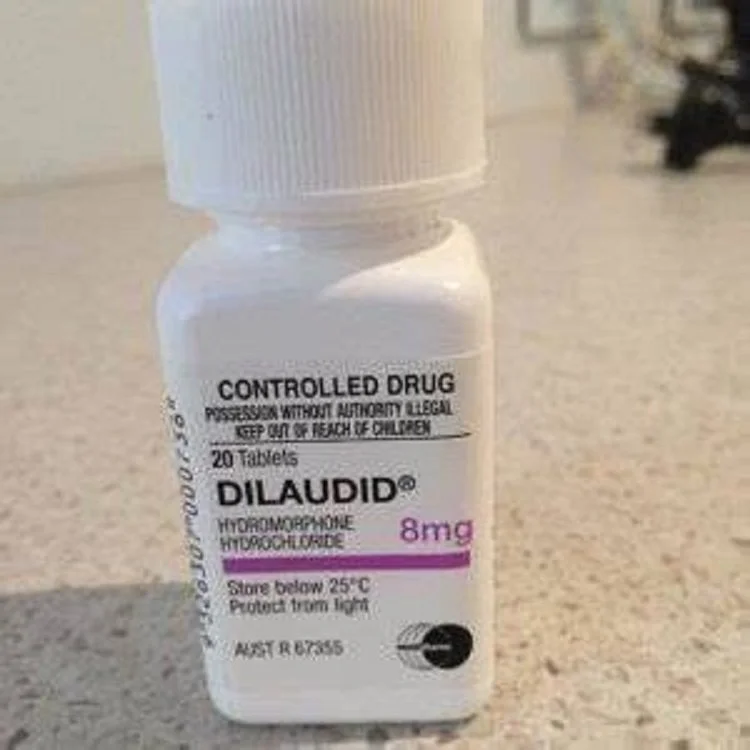
Dilaudid, a brand of hydromorphone hydrochloride (an opioid used to treat severe pain), is the name given to this drug.
Hydromorphone is a member of a group of drugs called opioid analgesics. It alters the way that the nervous system and brain process pain signals. It can also produce other effects, such as sedation or respiratory depression.
MedlinePlus describes Dilaudid, a brand-name for hydromorphone. It warns the drug can become habit-forming and cause breathing problems that can be life-threatening.
It is for this reason that Dilaudid shouldn’t be considered a regular pain reliever.
The therapeutic benefits of the drug and its potential risks should be considered in conjunction.
What is the Hydromorphone Effect?
Hydromorphone is primarily a central nervous system opioid receptor activator.
The body perceives pain through these receptors. Hydromorphone can activate these receptors, causing pain signals to become less intense.
Opioid receptors also affect other bodily functions.
Hydromorphone may also have the following effects:
- Breathing
- Alertness
- Blood Pressure
- Gastrointestinal movement
- Muscle tone
- Mood
- Cough Reflex
- Perception of discomfort
This effect is why opioids are effective in treating severe pain, but can also be dangerous if they are used excessively.
It is not the goal of opioid treatment to simply use the strongest medication available. The FDA recommends that opioid analgesics be used only when other treatments are ineffective and at the lowest dose possible for the shortest time period consistent with the individual’s treatment goals.
What is the purpose of dilaudid?
Dilaudid is used to treat severe pain when other options for treatment are not effective, tolerated or inadequate.
Hydromorphone is not prescribed based on the intensity of pain alone, but rather on an individual’s needs.
A healthcare professional may consider:
- What causes the pain?
- The severity and duration symptoms
- Pain treatments that have been tried before
- Previous opioid exposure
- Other prescription medications
- Existing medical conditions
- Respiratory Health
- Kidney and liver functions
- Age
- Risks of opioid abuse
Dilaudid can only be prescribed by the FDA in situations where opioid therapy is expected to provide a greater benefit than its risks.
Why isn’t Dilaudid appropriate for every pain condition?
Opioids are not the only treatment for pain.
Treatment options may vary depending on the cause of the problem.
- Non-opioid Pain Medicines
- Physical Therapy
- Rest and Rehabilitation
- Procedures
- Behavioural approaches
- Treatment of the underlying condition
- Other prescription medications
In some cases, a doctor may prescribe an opioid in one case but not in another.
This individualized approach becomes even more important when dealing with an opioid as potent as hydromorphone.
Dilaudid side effects: What should patients know?
Even when taken as prescribed, Dilaudid may cause side effects.
Hydromorphone can cause a variety of side effects.
- Nausea
- Vomiting
- Dizziness
- Lightheadedness
- Drowsiness
- Sedation
- Sweating
- Dry Mouth
- Flushing
- Itching
- Changes in mood
MedlinePlus lists hydromorphone as having the following possible side effects: nausea, vomiting; mood changes; flushing and itching.
Although some side effects may be less obvious as the body adapts, patients should not assume that all symptoms are harmless.
A healthcare professional should be consulted if you experience persistent, severe or unusual symptoms.
Why can Dilaudid cause drowsiness or a sedative effect?
Hydromorphone has a central nervous system effect.
It can also cause sedation and reduce alertness.
It is important to note that excessive sedation may lead to dangerous respiratory depressions, especially when combined with substances which slow down the nervous system.
If you or someone else is having difficulty waking up, or has abnormal breathing, seek immediate medical attention.
Serious Dilaudid Side Effects
Some Dilaudid adverse effects are medical emergencies.
Severe problems include:
- Breathing that is shallow or slow
- Difficulty in breathing
- Pauses in breathing between long breaths
- Severe sedation
- Consciousness loss
- Hypotension severe
- Severe allergic reactions
- Confusión
- Respiratory arrest
MedlinePlus warns specifically that hydromorphone may cause serious breathing problems or even death, particularly during the first 24-72 hours of treatment.
Dilaudid for Respiratory Depression
Hydromorphone is associated with respiratory depression, which is one of its most serious risks.
Opioids can decrease the brain’s reaction to increasing carbon dioxide levels. In severe cases breathing can slow down or stop.
Some warning signs include:
- Slow Breathing
- Shallow breathing
- Pauses in breathing between long breaths
- Unusual snoring
- Shortness of Breath
- Extreme sleepiness
- Difficulty waking
- Consciousness loss
Never ignore this.
Emergency medical attention is required for suspected opioid overdose.
Hydromorphone: Dilaudid risks and why it requires caution
Hydromorphone has side effects that go beyond those of other medications.
Dilaudid’s FDA labeling includes boxed warnings that address:
- Addiction
- Abuse
- Misuse
- Respiratory depression that can be life-threatening
- Accidental ingestion
- Interactions between CNS depressants
- Neonatal opioid withdrawal syndrome
The FDA states that opioids can be used at any dose or duration and still cause addiction, abuse, misuse overdose, death, etc.
It does not necessarily mean that everyone who takes Dilaudid becomes addicted.
This means that opioid therapy must be monitored and approached with caution.
Can Dilaudid Cause Addiction?
Yes.
Hydromorphone is habit-forming.
Addiction and physical dependency are two related, but distinct concepts.
The body may become physically dependent on opioids if it has been exposed to them repeatedly. Even when prescribed medication is taken according to the medical advice, this can still happen.
When diagnostic criteria are met for addiction, it is clinically referred to as opioid use disorders. Addiction involves a pattern of opioid abuse that can lead to significant impairment or distress.
Warning signs that you should be aware of include:
- Constant cravings
- Take medication as prescribed or differently
- Take more than you are told.
- Cutting down trees can be difficult.
- Continued use despite serious consequences
- Opioids are a significant source of time spent obtaining or using them
- Use of opioids interfering with family, work or responsibilities
These signs deserve medical attention.
These are not signs of personal failure.
Opioid use disorder vs. physical dependence
Anyone researching Dilaudid should be aware of this distinction.
Physical Dependency
Physical dependence is when the body adapts to repeated exposure to opioids.
Withdrawal symptoms can occur if the medication is abruptly stopped.
Opioid Addiction Disorder
Opioid Use Disorder is a pattern of opioid abuse that negatively affects the health, behavior, relationships and responsibilities of a person.
Physical dependence can exist without an opioid use disorder.
Someone with an opioid use disorder could have a complicated history that involves multiple opioids.
A qualified healthcare professional should perform a proper assessment.
Dilaudid interactions: what can make it more dangerous?
Hydromorphone may interact with other drugs and substances.
Combining it with substances which also depresses the central nervous systems is one of the biggest concerns.
Alcohol and Dilaudid
Alcohol can increase opioid-related respiratory depression and sedation.
Combining alcohol with hydromorphone increases the risk of serious complications and overdose. MedlinePlus warns specifically that alcohol can cause serious breathing problems, sedation and coma.
Dilaudid and Benzodiazepines
Certain benzodiazepines may cause a significant amount of sedation.
Combining them may increase the risks of respiratory depression and profound sedation.
The combination of these medications should only be done by healthcare professionals who have evaluated the situation and are managing it.
Dilaudid (and Other Opioids)
The total amount of opioids in the body can be increased by combining hydromorphone and another opioid.
It can cause respiratory depression or overdose.
All healthcare professionals should be informed about the medications that patients are taking.
Dilaudid, and other Sedating Drugs
Some other medicines that affect the central nervous system can also increase the risk.
Some examples include:
- Sleep medicines
- Muscle relaxants
- Sedatives
- Other opioid medications
- Centrally acting drugs
Dilaudid is specifically warned against concomitant usage with CNS-depressants on the FDA label.
Who is at a higher risk of complications?
Hydromorphone should be used with caution by some individuals.
People with:
- Chronic respiratory disease
- Asthma
- Breathing problems related to sleep
- Kidney impairment
- Liver Impairment
- Low blood pressure
- Seizure disorders
- Head injuries
- Age
- Frailty
- Overdoses in the past
- History of problematic substance abuse
It does not mean, however, that all patients with these conditions are ineligible to receive opioids.
It means that the healthcare professional must consider the individual’s risk profile.
Dilaudid during pregnancy
When using opioids, it is important to consider pregnancy.
The regular exposure to opioids during pregnancy may result in a neonatal withdrawal syndrome. This can cause withdrawal symptoms for a newborn.
The FDA warns of the risks to a fetus from opioid exposure.
Hydromorphone is a treatment that should be discussed with a health professional by anyone who is pregnant, planning to become pregnant, or nursing.
It is not recommended that a person discontinue long-term opioid therapy without medical advice.
How does Dilaudid withdrawal feel?
Physical dependence can develop from repeated opioid exposure.
Withdrawal symptoms may occur when a person who is dependent on hydromorphone suddenly stops taking it.
Possible symptoms include
- Restlessness
- Anxiety
- Sweating
- Chills
- Runny nose
- Watery eyes
- Yawning
- Muscle pain
- Joint pain
- Back Pain
- Irritability
- Stomach cramps
- Nausea
- Vomiting
- Diarrhea
- Sleep difficulties
- Fast heartbeat
- Fast breathing
MedlinePlus lists this and other symptoms as possible side effects of abruptly stopping hydromorphone.
Why should Dilaudid not be stopped suddenly?
Stopping an opioid abruptly can cause a significant withdrawal.
MedlinePlus and the FDA warn against discontinuing hydromorphone abruptly without medical advice. When discontinuation is necessary, a healthcare professional can reduce the treatment gradually.
Individualized gradual reductions are possible.
No universally suitable tapering schedule exists for all patients.
Dilaudid withdrawal and loss of tolerance
After opioid withdrawal, there is another safety concern.
When someone stops taking opioids, their tolerance can drop.
The same exposure can be much more harmful if the person returns to the amount that they tolerated before.
MedlinePlus warns that the risk of overdose can increase following detoxification, as tolerance has decreased.
It is for this reason that people with opioid addiction should be able to access evidence-based treatments rather than trying to stop and restart on their own.
Overdose on Dilaudid: How to Recognize the Situation
Hydromorphone can be deadly in overdose.
Signs that you may see include:
- Slow breathing
- Shallow breathing
- Difficulty in breathing
- Unusual snoring
- Extreme sleepiness
- Unable to wake
- Skin that is cold or clammy
- The smallest pupils
- Weak pulse
- Consciousness loss
- Bluish lips and fingernails
MedlinePlus lists slow or shallow breathing as a possible overdose symptom, along with inability to awaken, cold, clammy skin, slowed pulse, and abnormal pupils.
What Should You Do if you suspect an opioid overdose?
An opioid overdose suspected is an emergency.
Contact the emergency medical services immediately.
It is important to follow the instructions on an opioid-reversal medication such as naloxone if it is available. MedlinePlus recommends that those taking hydromorphone talk to their doctor about accessing rescue medications such as naloxone and nalmefene and make sure the people around them are aware of how to recognize and respond to an overdose.
Don’t assume that someone is safe just because they become temporarily more responsive following naloxone.
Emergency evaluation remains necessary.
Dilaudid: Safe Handling and Storage
Opioid safety is often overlooked when it comes to safe storage.
Store hydromorphone safely and away from children and visitors.
Opioids can cause respiratory depression that can be life-threatening.
MedlinePlus warns specifically that hydromorphone, a medication prescribed for another person, can cause harm or death to people who take it.
If available, dispose of any unused medication through a medication disposal or take-back program.
Can Dilaudid Cause Constipation?
Yes.
Constipation can be a side effect of opioid medications.
Opioids may slow the movement of food through your gastrointestinal tract.
Patients taking opioid pain medications may want to discuss constipation treatment and prevention with their pharmacist or healthcare professional.
Clinicians may suggest dietary, fluid or activity-based strategies, depending on the health status of a person.
If you have persistent abdominal pain, severe diarrhea, vomiting or other significant gastrointestinal problems, it is important to consult a doctor.
Dilaudid and Driving
Hydromorphone may cause dizziness, drowsiness and impaired judgement.
Driving or operating machinery can be dangerous due to these effects.
Before engaging in any activity that requires full concentration, it is important to understand the effects of medication on alertness.
Hydromorphone combined with alcohol or other sedating drugs can cause impairment.
Hyperalgesia and Dilaudid
Opioid-induced hyperalgesia is a rare phenomenon.
Long-term opioid treatment or exposure to high doses of opioids can sometimes increase pain sensitivity.
This is not the same as ordinary tolerance.
Tolerance is the ability to tolerate the same dose of medication over time.
Hyperalgesia is characterized by increased sensitivity to painful stimuli.
It is not necessary to increase opioid dosage if pain suddenly becomes worsened during opioid treatment.
A healthcare professional can evaluate the situation to determine if the pain is caused by a new source, if tolerance is present, or if another opioid-related side effect may be involved.
Dilaudid and Other Opioid pain medicines
Hydromorphone belongs to the group of opioid analgesics.
Other opioid medications include morphine and other drugs like oxycodone hydrocodone and fentanyl.
These medicines cannot be compared by comparing the milligram or tablet strength.
Different opioids are different in potency, formulation, pharmacokinetics and patient-specific considerations.
A medication with a lower numerical dose does not mean that it is weaker or less safe.
It is important that opioid conversions are performed by trained healthcare professionals and not online.
Dilaudid vs. Buprenorphine
The clinical roles of buprenorphine and dilaudid are very different.
Dilaudid is an opioid analgesic that contains hydromorphone.
Buprenorphine, a partial opiate agonist, is used to treat opioid use disorders.
SAMHSA says that buprenorphine reduces opioid withdrawal symptoms, cravings, and can be part of an overall treatment plan.
These are not just alternatives.
Buprenorphine is not required if a person takes Dilaudid to treat pain.
Buprenorphine is one of the medications that can be prescribed to a person with opioid use disorder.
What is Buprenorphine?
Buprenorphine can be used to treat opioid addiction.
Buprenorphine, unlike full opioid agonists, is a partial agonist. SAMHSA says that buprenorphine’s pharmacological properties may help to reduce withdrawal symptoms, while also offering a safer profile than full opioid agonists.
Often, medication is combined with other types of support.
Treatment plans are based on individual needs, opioid exposure and health history.
Buprenorphine and Opioid Abuse: Can it Help?
Buprenorphine is a proven treatment for people who suffer from opioid addiction.
SAMHSA has identified buprenorphine methadone and naltrexone among FDA-approved drugs used to treat opioid addiction disorder.
Treatment can help with:
- Opioid addiction
- Withdrawal symptoms
- Continued illicit or uncontrolled opioid abuse is a risk
- Relapse risk
- Recovery is difficult
The duration of treatment is determined by the individual.
Some patients require long-term treatment.
The timing of Buprenorphine is important
Buprenorphine requires medical planning, as starting too soon after certain opioid agonists may cause a precipitated withdrawal.
SAMHSA explains to patients that they usually start buprenorphine when they have stopped using opioids and are in early withdrawal. Taking it while certain opioids remain active can cause acute withdrawal.
It is important to note that.
It is not a good idea to base your own transition schedule on a single internet article.
A qualified clinician is able to evaluate the opioid involved as well as the patient’s symptoms and timing.
Signs that someone may need help with opioid use
Dilaudid is not for everyone.
Certain changes, however, can indicate the need for professional assistance.
Warning signs that you should be aware of include:
Increased Preoccupation with Medication
A person might spend considerable time wondering when they will be able to take their next dose of medication or get more.
Take Medication Outside of the Treatment Plan
You may have taken the medication sooner or in higher doses than prescribed.
Continued Use Despite Harm
An assessment may be necessary if someone continues to use opioids despite the health, relationship, financial or legal consequences.
Recurring Failures to Stop
A warning sign is when you repeatedly try to stop, but are unable to control yourself.
Strong Cravings
The central feature of opioid abuse disorder can be persistent cravings.
These symptoms do not constitute a diagnosis.
A healthcare professional must conduct an accurate assessment.
Treatment for Opioid Use Disorder Is More Than Detox
One of the most common misconceptions regarding opioid addiction is that only detoxification can solve the problem.
Detoxification is the physiological process that occurs immediately after stopping or reducing opioid intake.
However, opioid use disorder can be a chronic condition that requires ongoing treatment.
Evidence-based treatments can include:
- Buprenorphine
- Methadone
- Naltrexone
- Counseling
- Behavioral therapies
- Recovery Support
- Medical monitoring
- Treatment of co-occurring disorders
The SAMHSA treatment resources recognize that medication treatment is an important component in evidence-based treatment for opioid use disorders.
Why Professional Treatment is Important
It is dangerous to try and manage opioid addiction without medical assistance.
Professional treatment is available:
- Assessment of opioid dependency
- Withdrawal Management
- Overdose education
- Naloxone Access
- Medication treatment
- Watching
- Support for mental health
- Relapse prevention planning
- Support for long-term recovery
The treatment can be adapted as circumstances change.
It is not enough to just get through the withdrawal.
It is important to assist the individual in a safe and sustainable recovery.
Questions to ask your doctor about Dilaudid
By preparing questions, patients can make their medical appointments more productive.
Useful questions include:
- What is the best way to treat my pain with a hydromorphone?
- Exist non-opioid substitutes?
- How long will it take me to complete the course?
- What are the side effects I should be aware of?
- Can any other medication interact with this one?
- Do I need to have Naloxone on hand?
- What should I do when my pain worsens?
- When should you stop taking the medication?
- What are the symptoms of dependence?
- What should I do when I can’t control my opioid usage?
Opioid treatment can be made safer by open communication.
Checklist for Dilaudid Safety
Before taking hydromorphone prescribed by a doctor, patients must understand:
- Dilaudid, a powerful opioid prescribed by doctors, is available in a variety of strengths.
- Only use it according to professional directions.
- Overdosing on medication can lead to an increased risk of overdose.
- Alcohol is a substance that can increase the dangers of opioids.
- Other sedating medications can cause respiratory depression.
- Hydromorphone may cause physical dependency.
- When you stop suddenly, it can cause withdrawal.
- Naloxone is appropriate for those at risk of opioid overdose.
- Never share prescription opioids.
- Store Hydromorphone in a secure place.
- Emergency medical attention is required if you suspect an overdose.
FAQ
What is Dilaudid?
Dilaudid, also known as hydromorphone is the brand name of a prescription opioid pain reliever used when other treatments fail to control severe pain.
What are the most common uses of Dilaudid?
Its main use is to manage severe pain that requires an opioid analgesic. Prescription decisions are based on an individual’s health and the balance of benefits and risks.
What are the common side effects of Dilaudid?
Some of the most common effects include nausea, vomiting and dizziness. Other symptoms can be sweating, dryness in mouth, itching or flushing as well as mood changes.
Dilaudid is a strong opioid.
Yes. Hydromorphone can have significant effects on the central nervous system, including respiratory depression.
Can Dilaudid cause addiction?
Yes. Hydromorphone can cause misuse, addiction, dependence, respiratory depression, and overdose.
Can Dilaudid cause withdrawal symptoms?
Yes. Hydromorphone withdrawal can occur in people who have become physically dependent on it.
What are Dilaudid withdrawal symptoms?
Symptoms include restlessness, anxiety, sweating and chills. Other symptoms are yawning, nausea, vomiting, diarrhea, and stomach cramps.
Can Dilaudid lead to an overdose?
Yes. Overdoses can lead to severe respiratory depression, loss in consciousness, coma and death.
What is the appearance of a Dilaudid Overdose?
Other signs include extreme sleepiness, extreme sleepiness and loss of consciousness.
Alcohol and Dilaudid: Can they be taken together?
Alcohol can cause dangerous respiratory depression and sedation. Alcohol use should be discussed with a healthcare professional.
Will Dilaudid be stopped abruptly?
If you use hydromorphone regularly, it is important to not abruptly stop using it without consulting a doctor. Withdrawal symptoms can occur.
What is the use of buprenorphine for opioid addiction disorder?
Yes. Buprenorphine, an FDA-approved drug used to treat opioid addiction disorders and reduce withdrawal symptoms and cravings, can be prescribed when it is appropriate.
Dilaudid is the same as Suboxone.
No. Dilaudid is an opioid pain medication that contains hydromorphone. Suboxone is a buprenorphine/naloxone medication used as part of treatment for opioid use disorder.
Can you switch from Dilaudid buprenorphine to someone else?
In some cases, a transition is medically necessary, especially when treating opioid addiction disorder. However, it must be assessed by a professional. Buprenorphine can cause acute withdrawal if you start it too soon after certain opioids.
Final Thoughts
When prescribed to the correct patient and used with appropriate supervision, Dilaudid is a valuable medical drug.
Understanding its risks without knowing its benefits is incomplete.
Hydromorphone, a powerful opioid, can relieve pain and sedation. Hydromorphone can be used to relieve pain and sedate, but overexposure can lead to respiratory depression and an overdose. Physical dependence can be developed from repeated use, and some individuals can develop an opioid use disorder.
Dilaudid is a prescription-only medicine that should be treated as such. It’s not a pain reliever.
Avoid dangerous combinations and keep the medication away from others. Patients should also consult their doctor before discontinuing or changing treatment.
If you are no longer taking opioids for pain relief but have been experiencing addiction, loss of control or repeated attempts to quit, and continue using the medication despite harms, then your question should no longer be, “How do I manage this medication?”
You may also say:
What evidence-based treatments can I use to regain control?
Professional assessment is crucial in this context.
Treatment options for opioid addiction include medications such as buprenorphine and methadone. Other supportive services, including counseling, are also available.
Recovery doesn’t have to be based on willpower alone.
Evidence-based treatments can be a structured way to reduce cravings, manage withdrawal, lower overdose risks, and build long-term stability.
Last Safety Reminder
Treat the situation as an urgent matter if someone who has taken hydromorphone is unable to wake up, shows signs of an opioid overdose (such as slow breathing or unconsciousness), or displays other symptoms.
Immediately seek emergency medical attention. While emergency medical assistance is sought, naloxone or other opioid-reversal medicines should be taken according to the instructions.
If you have concerns that are not urgent, such as side effects, dependence, withdrawal, medication interactions or possible opioid addiction disorder, the best next step is to speak with a healthcare professional.
Sources of reliable information: FDA prescribing info, MedlinePlus and SAMHSA offer authoritative information on hydromorphone safety as well as evidence-based treatment for opioid use disorders.
