

Oxycodone 80mg Uses Risks Side Effects & Safety
What Is Oxycodone 80mg?
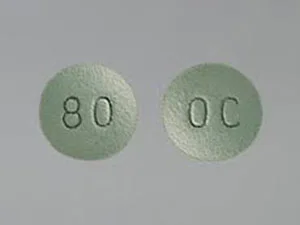
The drug oxycodone belongs to the opioid analgesic category and is used in the management of different degrees of pain. The medication functions by binding to opioid receptors in the central nervous system and modulating the way pain is perceived.
The 80mg dosage is especially pertinent to the present case, since the strength of the opioid is not directly proportional to the appropriateness of the treatment. Oxycodone 80mg extended release is a potent controlled substance with a substantial list of contraindications and adverse effects.
For example, according to the official OxyContin prescribing information, 60 and 80 mg of OxyContin are indicated for patients that have developed tolerance to other opioids. This is an essential nuance, since a patient that is not opioid tolerant should not consider oxycodone 80 mg in the context of regular pain relief.
It is true that the medication has considerable therapeutic potential and is a part of the standard treatment regimen for various forms of pain. However, opiates are associated with severe risks, including dependence, misuse, overdose, and lethal outcomes.
Oxycodone 80mg Uses and Medical Purpose
The purpose of oxycodone, regardless of the dosage, is to relieve pain. However, in light of diverse pharmacological characteristics, immediate-release oxycodone and extended-release oxycodone are indicated for different conditions.
Short acting oxycodone
Oxycodone is a narcotic analgesic that may be prescribed for the relief of mild, moderate, severe pain, or even excruciating pain. In instances when a physician deems a narcotic necessary, the FDA points to the risk-benefit paradigm and the overall importance of the medication in modern-day pain management. According to the FDA, opioids should be reserved for cases where the benefits significantly outweigh the risks.
In particular, for the management of acute pain, the healthcare provider should take into consideration the severity of the condition, anticipated duration of discomfort, treatment history, coexisting medical problems, non-opioid pain relief options, and other relevant factors.
Oxycodone extended release
The extended release formulation of oxycodone is a potent medication with serious safety concerns. The FDA specifies that OxyContin is an extended-release opioid medication indicated for the treatment of severe pain when an opioid is required. The agency also notes that treatment with opioids in extended-release form should be reserved for severe persistent pain and have unique risks.
It is especially vital to understand the importance of opioid extended-release formulations in the context of oxycodone 80 mg. Thus, it should not be viewed by the patients as a regular painkiller.
Oxycodone Mechanism of Action
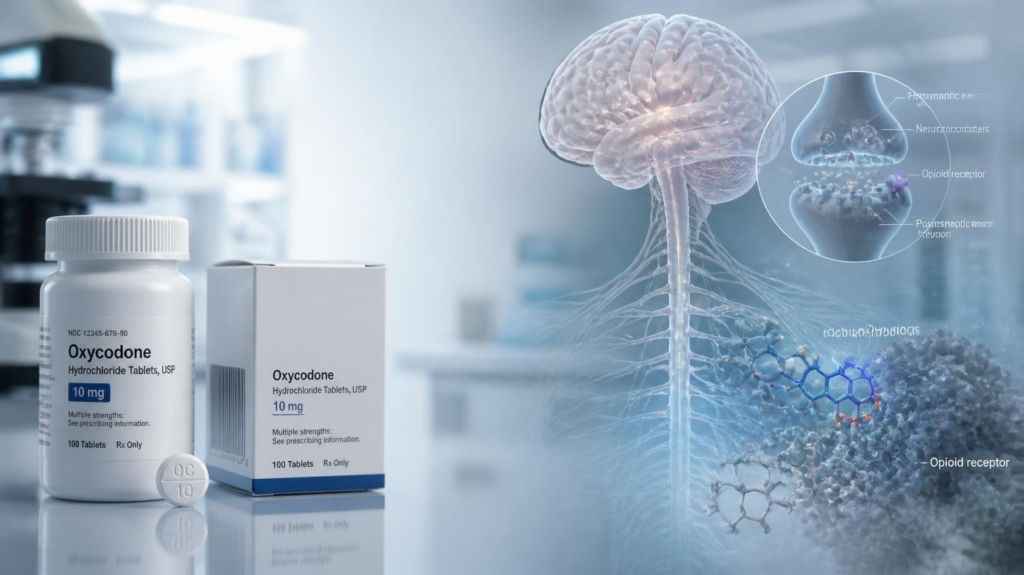
The mechanism of action of oxycodone is a part of the reason why the medication is beneficial for the treatment of pain, but it also explains its potential for abuse and diversion. The active ingredient in oxycodone binds to opioid receptors in the brain, spinal cord, and peripheral nerves. This interaction facilitates the inhibition of pain signals and affects the emotional response to painful stimuli.
In addition, oxycodone often causes adverse effects that are related to the modulation of the central nervous system. Thus, common side effects of oxycodone include drowsiness, constipation, nausea, respiratory depression, dizziness, and sedation. Moreover, physical dependence on oxycodone can develop, which can lead to dangerous withdrawal symptoms if the medication is discontinued.
Oxycodone 80mg Dosage – Why Higher Strength Is Not Always Better
It is common for patients to believe that a higher dosage of a medication is always more beneficial, but oxycodone 80mg serves as a potent reminder that this is not the case. In the context of opioid medication, the increase in dosage is correlated with an increase in adverse events. Per the FDA, higher opioid dosages are associated with an increased risk of overdose. With this in mind, the increased strength of oxycodone 80 mg is even more noteworthy.
According to the current OxyContin prescribing information, 60 and 80 mg of OxyContin are indicated for patients that have developed tolerance to other opioids. This is an essential limitation, since oxycodone 80 mg should not be viewed as an opioid medication for general use.
Thus, it is even more necessary for a patient that is new to opioids to discuss this matter with their doctor rather than attempting to self-prescribe oxycodone 80 mg for regular pain.
Oxycodone 80mg Side Effects
Like any other medication, oxycodone can cause a variety of side effects, from mild to severe. Below are the most common oxycodone side effects:
Common side effects of oxycodone:
Constipation
Nausea
Vomiting
Dizziness
Drowsiness
Headache
Dry mouth
Itching
Weakness
The list of common oxycodone side effects is not exhaustive, since adverse effects can be subjective and depend on the individual characteristics of the patient. In particular, elderly patients and people with comorbidities may be more susceptible to certain side effects. According to the FDA, the most frequent adverse reactions to opioid pain medications are drowsiness, dizziness, nausea, vomiting, constipation, physical dependence, and respiratory depression.
Serious side effects of oxycodone:
Severe drowsiness
Respiratory depression
Loss of consciousness
Allergic reaction
Overdose
Physical dependence
Abuse and misuse
Drug interactions
Among the serious side effects of oxycodone, respiratory depression stands out as one of the most dangerous complications. The FDA highlights the risk of opioid-induced respiratory depression as a leading concern and a reason for the agency’s increased oversight of opioid medications. In particular, respiratory depression can lead to severe complications, including oxygen deprivation, coma, and even death.
Oxycodone 80mg Risks and Safety
The safety and risk profile of oxycodone is also determined by the fact that the medication is an opioid. Thus, treatment with oxycodone can lead to a wide range of complications, including physical dependence, tolerance, abuse, misuse, and overdose.
Oxycodone and Addiction: Dependence vs Misuse
There is an essential difference between physical dependence and addiction, even though the terms frequently overlap. Physical dependence is a state that occurs due to regular use of a substance and is characterized by withdrawal when the medication is discontinued. In contrast, addiction, or opioid use disorder, is a behavioral disorder that manifests in maladaptive patterns of drug use.
A pattern of drug use can vary significantly from one person to another, but the occurrence of either physical dependence or addiction must be evaluated by the healthcare provider. Although physical dependence is not an indication for discontinuation of the medication, tolerance, and opioid use disorder may require the modification of the treatment regimen.
Oxycodone and Respiratory Depression
Respiratory depression is among the most dangerous side effects of oxycodone that can lead to serious complications. In particular, opioids suppress the respiratory center located in the brainstem, resulting in decreased depth and frequency of breathing. The development of respiratory depression is most likely when opioids are used in high doses in combination with other central nervous system depressants.
The FDA labels respiratory depression as one of the major safety concerns related to opioid medications. Thus, it is vitally important to take precautions to avoid opioid overdose and other dangerous adverse events. The most severe effects of oxycodone are associated with the overdose; hence, it is crucial to be aware of the warning signs and get emergency medical assistance immediately.
Opioid overdose symptoms:
Abnormally slow or shallow breathing
Loss of consciousness
Unresponsiveness to external stimuli
Gurgling or choking sounds when breathing
Bluish discoloration of lips, fingers, or fingernail beds
A healthcare provider should evaluate suspected opioid overdose, as emergency medical intervention may be needed. In addition to reducing the severity of overdose symptoms, medical professionals can also administer an opioid antagonist called naloxone.
Oxycodone 80mg Drug Interactions
Drug interactions are another aspect of oxycodone safety, since they can aggravate the side effects of the medication and lead to dangerous adverse events. Thus, the FDA recommends that patients taking oxycodone inform the healthcare provider of all other medications, over-the-counter drugs, herbal products, alcohol use, and other substances.
Oxycodone and Alcohol
In general, alcohol should not be combined with other central nervous system depressants, including opioid medications such as oxycodone. The interaction between alcohol and oxycodone can cause severe sedation, respiratory depression, and other serious adverse effects. Hence, it is inadvisable to consume alcohol while undergoing oxycodone treatment, and patients should consult their healthcare provider before engaging in alcohol consumption.
Oxycodone and Benzodiazepines
Another potentially dangerous interaction occurs between oxycodone and benzodiazepines. The FDA recommends against the concomitant use of benzodiazepines and opioids and warns that such a combination can lead to severe respiratory depression and overdose. This recommendation is especially relevant to patients with a history of substance abuse or opioid use disorder.
The interaction between oxycodone and benzodiazepines is part of the broader class of dangerous opioid-drugs interactions. In general, opioids should not be combined with other central nervous system depressants unless there is a clear medical indication and the benefits significantly outweigh the risks.
Oxycodone and Sedatives
A variety of drugs, including sedatives, can also interact with oxycodone. In particular, the concurrent use of sleep aids, muscle relaxants, antihistamines, and other central nervous system depressants can amplify the effect of opioids, resulting in dangerous side effects, including respiratory depression. Patients who are prescribed other medications must speak with their healthcare provider about potential drug interactions and the safety of oxycodone. A safer alternative is to provide the prescriber with a complete list of medications being taken.
Oxycodone 80mg and Opioid Tolerance
Opioid tolerance is a phenomenon that occurs when a patient who is receiving regular opioid dosing experiences diminished physiological response to the medication. In other words, higher doses of opioids are needed to obtain the same therapeutic effect.
Development of tolerance is a typical occurrence when a patient is receiving regular and long-term opioid treatment. However, it should not be the reason to adjust the opioid dosage without consulting a healthcare provider. The main reason is that tolerance is correlated with increases in the dosage of opioids, meaning that the risk of overdose also increases.
Thus, opioid tolerance is especially pertinent to oxycodone 80 mg, since it can contribute to overdose. Furthermore, oxycodone 80mg tolerance can lead to oxycodone withdrawal symptoms if the patient discontinues the medication, decreases the dose, or switches to another opioid.
Oxycodone 80mg Withdrawal Symptoms
As mentioned above, regular oxycodone use can lead to physical dependence, which can result in withdrawal symptoms after the medication is discontinued or the dosage is reduced. Oxycodone withdrawal is the result of the body’s attempt to restore homeostasis after prolonged drug exposure. The list of oxycodone withdrawal symptoms is extensive, but the most common ones include:
General discomfort and restlessness
Anxiety
Sweating
Muscle cramps
Insomnia
Runny nose
Nausea and vomiting
Diarrhea
Increased heart rate
Strong cravings for oxycodone
Oxycodone withdrawal is extremely uncomfortable, but it is rarely life-threatening. The discomfort associated with opioid withdrawal can be minimized with the help of professional medical detoxification services. However, it is important to note that opioid withdrawal symptoms can be an effective motivator to stop using drugs. Instead of attempting to wean oneself off oxycodone, a patient should consider opioid addiction treatment.
FDA’s recent opioid guidelines highlight the importance of tapering off opioid treatment rather than stopping cold turkey in cases when a patient has developed physical dependence. A healthcare professional can create an individualized plan for oxycodone discontinuation and recommend safer alternatives, if necessary.
Oxycodone 80mg Safety: Patients Guide
Opioid safety starts with the understanding of the medication and basic precautions. First and foremost, it is vital to comply with all recommendations provided by the healthcare provider, since the prescription is individual and considers the patient’s specific case. Below are some of the key steps to ensure oxycodone safety.
Follow the prescription instructions
A patient should adhere strictly to the recommended oxycodone dosage schedule and form of administration, since opioids are potent drugs with a narrow therapeutic index. In other words, the margin between an insufficient and an excessive dose is small, and self-adjustment of the treatment can lead to overdose or dangerous side effects.
Do not transfer or share prescription opioids
A prescription medication can only be taken by the patient for whom it was intended. It is inadvisable to share oxycodone with anyone else, even if the medication was prescribed to more than one member of the household. Every individual has a unique medical history and tolerance to drugs, and thus oxycodone safety is best achieved when the medication is taken as prescribed.
Store the medication safely
It is of paramount importance to keep prescription opioids away from children, unauthorized visitors, and pets. In addition, patients must remember that oxycodone 80 mg is a powerful controlled substance and can be abused for recreational use. If someone has access to the medication, there is a possibility that it will not be used as intended.
Dispose of the medication properly
Another component of oxycodone safety is the appropriate disposal of any unused medication. The FDA highlights oxycodone overdose risks associated with the improper disposal of leftover pills. Patients have several options, including returning the medication to a pharmacy, using a safe disposal bag, or other available methods.
Recognizing Oxycodone Overdose: What To Do?
An opioid overdose is a life-threatening emergency that requires immediate medical intervention. In most cases, oxycodone overdose occurs when the medication is taken in excessive doses, but there are other contributing factors. Oxycodone overdose can also be caused by the interaction with other central nervous system depressants, including alcohol. If an overdose is suspected, a patient should immediately seek emergency medical assistance.
In addition to standard first aid measures, medical professionals can also administer an opioid antagonist called naloxone. The medication prevents the opioid molecules from binding to opioid receptors, thereby counteracting the overdose. Per the CDC, naloxone should be considered for patients at increased risk of opioid overdose, including those that take high-dose opioids or combine the medication with benzodiazepines. However, it is crucial to remember that naloxone is not an opioid overdose treatment per se but rather a rescue medication.
Oxycodone 80mg and Opioid Induced Hyperalgesia
One of the less publicized yet dangerous side effects of opioids is opioid induced hyperalgesia (OIH). In essence, OIH is a paradoxical reaction to opioid medication, wherein the patient becomes more sensitive to pain rather than desensitized. In other words, people with OIH experience increased discomfort, compared to opioids naïve individuals.
There are various mechanisms of OIH, but most of them are related to the prolonged use of opioids and increased sensitivity of the central nervous system to painful stimuli. The most prominent consequence of OIH is the need for higher opioid dosages, since the patient experiences more discomfort at any given level of opioid treatment.
The FDA highlights oxycodone overdose risks associated with OIH, in particular as a reason to be cautious about the use of higher doses of opioids. Since OIH is difficult to differentiate from opioid tolerance, the management of opioid induced hyperalgesia typically requires an interdisciplinary approach.
The bottom line is that OIH can lead to more severe side effects, overdose, or even death. Thus, patients who experience opioid induced hyperalgesia should consult their healthcare provider instead of attempting to increase the opioid dose on their own.
Oxycodone 80mg Extended-Release vs. Immediate-Release: Main Differences
When it comes to oxycodone, there are two major presentations: immediate-release oxycodone and extended-release oxycodone. In essence, the former is designed for intermittent pain relief, whereas the latter is indicated for the management of persistent pain. Thus, Oxycodone immediate vs extended release refers to the release mechanism of the medication. Oxycodone IR is released right away while Oxycodone XR is designed to provide around the clock pain relief.
The FDA recommends extended release/long-acting opioid medications for patients with severe persistent pain. It is especially important to understand the differences between oxycodone immediate vs extended release in the context of oxycodone 80 mg, since higher strength opioids are indicated for more severe cases. The safety considerations are also different for extended release oxycodone, as specified by the FDA.
Is Oxycodone 80mg Safe for All Patients?
Unfortunately, oxycodone 80mg is not suitable for every patient, since there are certain populations that are more likely to experience severe side effects.
The most vulnerable populations include patients with:
Chronic obstructive pulmonary disease or other lung conditions
Extreme age (very young or very old)
Reduced body weight or frailty
Organ dysfunction (hepatic or renal impairment)
History of substance use
Concomitant use of other CNS depressants
Increased risk of overdose (history of opioid overdose)
Decreased tolerance to opioids
According to the current Oxycodone FDA prescribing information, caution is advised in patients with chronic pulmonary disease and elderly, infirm, or debilitated individuals. Thus, it is impossible to answer the question of whether Oxycodone 80 mg is safe for all patients on an individual basis. Each person’s case must be reviewed by a qualified healthcare professional.
Oxycodone 80mg for Chronic Pain: Long Term Use & Management
When it comes to long term use of Oxycodone 80 mg, it is essential to implement the strategy of multimodal management. Thus, chronic pain management may include the use of different classes of medications, such as non-steroidal anti-inflammatory drugs, adjuvant treatments, and/or interventional procedures. Oxycodone, in turn, can be used intermittently or in combination with other pain medications. The rationale behind such strategy is the increased risk of opioid side effects when the medication is used in higher doses for a prolonged period of time.
As far as the long term use of Oxycodone 80 mg is concerned, it is crucial to understand that pain is not a static condition. In other words, each patient should approach the issue of chronic pain individually and consider the options of discontinuation, if possible. Oxycodone should never be used for an extended period of time without reevaluating the treatment plan in conjunction with a healthcare provider.
Recent FDA safety communication indicates that long term use of opioids is correlated with increased risk of adverse events, including overdose. Oxycodone safety is also compromised when the patient receives high dose opioids for a prolonged period of time. It is especially pertinent to oxycodone 80 mg because of the increased strength of the medication. The most sensible way to minimize the risks associated with Oxycodone 80 mg is to receive multimodal management in accordance with the latest FDA treatment guidelines.
How Doctors Decide: Oxycodone Evaluation and Recommendations
When a physician evaluates oxycodone treatment options for the patient, there are several key considerations to take into account.
First of all, the healthcare professional will assess the severity of pain. Next, the doctor will determine the extent to which the patient has experienced pain and whether opioid treatment is indicated, or there are other reasonable alternatives.
In addition, the doctor will evaluate the patient’s prior opioid treatment, if any. The fact of opioid experience and the dosage play a significant role in the physician’s decision, as both dependence and tolerance increase the risks associated with oxycodone.
Another vital component of oxycodone evaluation and recommendations is the patient’s medical history. In particular, the presence of lung conditions, neurological disease, gastrointestinal problems, organ dysfunction, and other relevant factors must be taken into account. The physician will also review concomitant medications, paying special attention to those that can potentially interact with oxycodone. Finally, the doctor will take into consideration the patient’s treatment goals and expectations in light of the available evidence.
FAQs
What is oxycodone 80mg used for?
Oxycodone is used for the management of various types of pain. In the context of Oxycodone 80 mg, it is a part of higher strength extended release opioids that are reserved for the treatment of severe pain.
Is oxycodone 80mg a high dose?
Yes, Oxycodone 80 mg is a high dose extended release opioid medication. According to the official drug label, the dosage is primarily indicated for patients that have developed tolerance to opioids.
What are the common oxycodone side effects?
Common side effects of oxycodone include constipation, nausea, vomiting, dizziness, drowsiness, and sedation. In addition, opioids can cause respiratory depression, which can be life threatening.
Can oxycodone cause dependence?
Yes, oxycodone can cause physical dependence when used for an extended period of time. A patient should not discontinue the medication abruptly when oxycodone dependence has developed. Rather, physical dependence should be managed by a qualified healthcare professional.
Can oxycodone cause addiction?
Physically, oxycodone can lead to substance use disorder or addiction. Oxycodone abuse or addiction can cause additional harmful effects and complications. According to the FDA, opioids carry an increased risk of addiction and substance use disorder.
Can oxycodone be taken with alcohol?
It is generally not recommended to take oxycodone with alcohol because of the increased risk for central nervous system depression. Patients are encouraged to speak with their pharmacist or healthcare provider about the risks of alcohol consumption while taking oxycodone.
What should someone do if they suspect an oxycodone overdose?
In the case of an opioid overdose, it is vital to seek emergency medical assistance immediately. In addition to standard first aid measures, the healthcare provider may administer an opioid antagonist to counteract the overdose. An opioid antagonist is a medication that prevents opioids from binding to opioid receptors.
Should oxycodone be stopped suddenly?
A patient should not stop oxycodone suddenly, especially if he or she has developed physical dependence to the medication. Physical dependence is best managed by a healthcare professional. The sudden discontinuation of oxycodone is associated with adverse effects, including withdrawal.
Final Thoughts
Oxycodone 80 mg is a powerful pain medication that is indicated for extreme pain levels, but it is not suited for regular use. Oxycodone 80 mg extended release has serious safety implications, which is why it is crucial to follow the recommended precautions. The medication can cause a variety of side effects, from sedation to constipation and respiratory depression. Oxycodone 80 mg is associated with high overdose risks, including potential lethal outcomes.
Thus, it is essential to fully understand Oxycodone 80 mg risks and side effects before considering higher dose extended release opioids. Additionally, patients must be mindful of potential oxycodone drug interactions and always consult their healthcare provider prior to making any adjustments to the treatment regimen. It is even more important to seek professional help when oxycodone dependence, substance use disorder, or addiction develops.
Ultimately, high dose extended release opioids should only be used when the benefits clearly outweigh the risks and for a short period of time, as recommended by the FDA. Patients who are interested in minimizing the risks associated with Oxycodone 80 mg can rely on trusted medication resources but should always consult a qualified healthcare professional.
