

Buprenorphine/Naloxone: Mechanism & Clinical Purpose
Introduction
Why Buprenorphine/Naloxone Matters in Opioid Treatment
Buprenorphine/naloxone has become an integral medication in the treatment of opioid use disorder due to its unique clinical benefits. Contrary to a standard pain reliever, this medication has a particular clinical indication that goes beyond simply reducing pain. The buprenorphine/naloxone mechanism is largely centered on reducing cravings and withdrawal in addicted individuals.
However, it is important to note that a basic understanding of the pharmacology is required to actually benefit from this medication.
Buprenorphine and naloxone are different in almost every relevant sense. The former is the active ingredient largely responsible for the clinical benefits, while the latter is used as a secondary ingredient for another purpose. According to SAMHSA, buprenorphine is a part opioid agonist medication that can reduce withdrawal and cravings with fewer risks than standard opioid agonists.
Meanwhile, naloxone is an opioid antagonist that is used in combination medications to prevent recreational use.
Together, the two ingredients form a medication with a specific purpose that is largely related to treating opioid addiction. This is reflected in the buprenorphine/naloxone film, which is intended for specific clinical indications.
In this article, the buprenorphine/naloxone purpose will be discussed in greater detail, including:
• Buprenorphine mechanism of action
• Buprenorphine receptor affinity
• Naloxone mechanism of action
• Clinical indication
• Safety concerns
• Withdrawal implications
• Treatment considerations
What Is Buprenorphine/Naloxone?
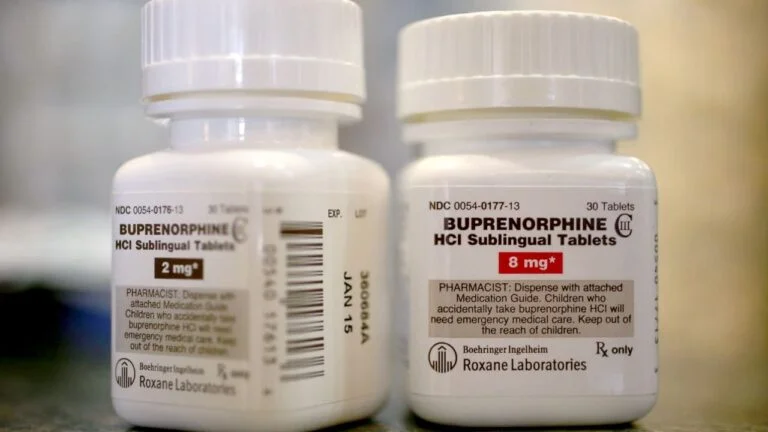
Buprenorphine/naloxone is a medication containing two active ingredients. One of the most common forms of this combination is the buprenorphine/naloxone sublingual film, which is placed under the tongue or, in some cases, absorbed buccally. According to the FDA prescribing information for Suboxone sublingual film, this medication is indicated for the treatment of opioid dependence as a part of a complete treatment regimen that includes counseling and psychosocial treatment. The two ingredients in this medication have different properties:
1. Buprenorphine
2. Naloxone
Buprenorphine is a partial agonist at the mu-opioid receptor. This ingredient has a strong affinity for the opioid receptor and a relatively long duration of action. Naloxone is an opioid antagonist, which is a type of opioid receptor blocker. The reason why this medication contains two opioids is because of its particular application.
The buprenorphine/naloxone mechanism of action is related to reducing cravings and withdrawal symptoms. More information on the subject can be found in the following sections.
Buprenorphine Mechanism of Action
The most important aspect of the buprenorphine mechanism of action is that it is a partial agonist. As mentioned above, this ingredient is a partial agonist at the mu-opioid receptor. Partial agonism is different and is best explained using an analogy. Imagine that an opioid receptor is a light switch.
A full opioid agonist would be similar to a light switch that can be either off or on. When the switch is off, the person experiences withdrawal, and when it is on, they feel euphoric. Partial agonists, on the other hand, are somewhere in the middle. Buprenorphine is a partial agonist, which means that the opioid switch can neither be fully on nor fully off.
The most relevant implications of this aspect of the pharmacology are as follows:
• Buprenorphine is only a partial opioid agonist
• It can cause some of the standard opioid effects, but they are limited
• Compared to full agonists, it is less likely to cause intense euphoria
• It still causes a mild degree of opioid receptor activation
According to SAMHSA, buprenorphine can reduce cravings and withdrawal symptoms, which makes it suitable for the treatment of opioid addiction. This effect is related to its partial agonist nature. Essentially, buprenorphine can reduce cravings and withdrawal by partially activating the opioid receptors. This is why the medication belongs to the opioid receptor partial agonist category.
SAMHSA further notes that the opioid receptor activation caused by buprenorphine is weaker than the activation caused by full opioid agonists at low to moderate doses. This information is relevant to understanding buprenorphine receptor affinity, which is discussed below.
Buprenorphine Receptor Affinity Explained
Buprenorphine receptor affinity is another essential aspect of pharmacology. In brief, this concept refers to the degree to which buprenorphine binds to the opioid receptor. The higher the affinity, the stronger the interaction between the drug and the receptor. This characteristic is responsible for many of the effects and risks of the medication.
High receptor affinity is the main reason why this medication belongs to the opioid receptor partial agonist category. Essentially, buprenorphine has an extremely high affinity for the mu-opioid receptor. This means that it can bind to the receptor very tightly. Furthermore, this affinity determines how likely an interaction between buprenorphine and other opioids is.
The high receptor affinity is responsible for one of the most important warnings related to this medication. Namely, buprenorphine can cause precipitated withdrawal if the patient is still under the effects of a full opioid agonist. High receptor affinity essentially means that the new medication can compete with other opioids for the limited number of receptors.
In short, if the patient is under the effects of a full opioid agonist, buprenorphine will bind to the opioid receptors and cause a sudden wave of withdrawal as soon as the old opioid is no longer active. This issue is particularly relevant to the topic of buprenorphine/naloxone vs methadone.
Buprenorphine receptor affinity is also relevant to the topic of buprenorphine/naloxone vs naltrexone. Naltrexone is an opioid receptor antagonist, which means that it completely blocks opioid receptors. Since buprenorphine has a very high affinity for the opioid receptors, it can overcome the effects of naltrexone.
Why Is High Receptor Affinity Important?
High affinity means that this medication can bind to the opioid receptors more firmly than most other opioids. As stated above, this characteristic is responsible for some of the most pertinent risks and considerations associated with the drug, including increased chances of serious adverse effects and the possibility of precipitated withdrawal. Furthermore, this property can affect the buprenorphine/naloxone dosage and timing.
Some of the main implications of high receptor affinity include the following:
1. High receptor occupancy
2. Reduced opioid receptor sensitivity
3. Reduced cravings and withdrawal
4. Long duration of action
5. Certain considerations related to the initiation of treatment
As previously mentioned, high affinity means that this medication can occupy the opioid receptors for long periods of time. Moreover, since it displaces other opioids from the receptors, it can reduce the sensitivity of the opioid system in general. This, in turn, can contribute to reduced cravings and withdrawal effects.
High receptor affinity is also responsible for another aspect of buprenorphine’s pharmacology, namely, its relatively long duration of action. In comparison to most short-acting opioids, buprenorphine can stay active for a considerably longer time. According to SAMHSA, the long duration of action can be beneficial in terms of decreasing cravings and withdrawal as well as allowing some patients to transition to taking the medication every other day instead of every day.
Naloxone Mechanism of Action
The second major ingredient in this medication is naloxone, an opioid receptor antagonist. Unlike buprenorphine, naloxone does not activate the opioid receptors in any capacity. Instead, it binds to them and blocks them, thereby neutralizing the effects of other opioids. Essentially, naloxone is an opioid receptor antagonist, which means that it can prevent other opioids from binding to the receptors.
Naloxone is a standard opioid antagonist that is used in a variety of clinical settings. It is typically used to reverse the effects of an opioid overdose. However, in the case of buprenorphine/naloxone, the reason why this medication contains antagonist is different. Naloxone is used in this medication to prevent recreational use.
As previously mentioned, buprenorphine is a partial agonist, which means that it can cause some of the standard opioid effects, however, to a much lesser degree. For this reason, some individuals may be inclined to abuse the medication by taking larger doses in order to intensify the effects. The addition of naloxone prevents this form of abuse.
The mechanism of action of naloxone is relatively straightforward. Since this ingredient is an opioid receptor antagonist, it blocks the action of other opioids. However, because buprenorphine/naloxone is designed to be taken sublingually, the bioavailability of naloxone is low. At the same time, taking this medication in another manner (such as injecting it) would significantly increase the bioavailability of naloxone.
What Does Buprenorphine/Naloxone Do?
As stated in the introduction, this medication has a specific purpose. The buprenorphine/naloxone purpose is mainly related to reducing cravings and withdrawal symptoms in individuals struggling with opioid use disorder. In effect, this medication can help the patient to deal with the physiological aspects of addiction. This is achieved due to the buprenorphine/naloxone mechanism of action, which is largely related to the characteristics of buprenorphine.
SAMHSA highlights the benefits of buprenorphine in the treatment of opioid addiction. The key aspects of buprenorphine pharmacology that are beneficial in this context include:
• Partial agonist nature
• High receptor affinity
• Ability to reduce cravings and withdrawal
• Long duration of action
Essentially, the medication helps the patient to avoid the peaks and valleys of regular opioid use. Furthermore, SAMHSA notes that this medication can also reduce illicit opioid use and increase treatment retention. All of these factors combined allow the patient to concentrate on their treatment and eventually achieve long-term recovery.
It is important to note that this medication alone is not sufficient in terms of dealing with addiction. As stated by SAMHSA, medication-assisted treatment is only one part of the larger recovery equation. In addition to regular doctor’s visits and prescription refills, the patient may also benefit from individual and group counseling, behavioral therapy, and other supportive services.
How Buprenorphine/Naloxone Helps Reduce Opioid Cravings
Cravings are one of the most prominent characteristics of opioid addiction. In essence, cravings are essentially intense urges to use the substance. Most often, cravings are triggered by external factors, also referred to as cues. However, there are cases where individuals may experience cravings without a particular trigger.
For most people, intense cravings are extremely difficult to cope with on their own. This is especially true in the early stages of recovery when the body is still adjusting to the absence of the substance. In some cases, cravings can be so severe that they affect a person’s ability to function on a daily basis. They can interfere with work, relationships, sleep, finances, physical health, and other aspects of life.
Buprenorphine/naloxone can help curb cravings and significantly reduce their impact on the individual. The reason for this is the buprenorphine/naloxone mechanism of action. More specifically, buprenorphine reduces cravings by partially activating the opioid receptors. In effect, this medication can prevent the severe ups and downs caused by short-acting opioids.
SAMHSA specifically lists reduced cravings as one of the benefits of this medication in the treatment of opioid addiction.
How Buprenorphine/Naloxone Reduces Withdrawal Symptoms
Following the use of opioids, every individual who stops using the substance will experience withdrawal. Withdrawal is a distressing state that is caused by the body eliminating traces of the substance from the system. The most prominent symptoms of opioid withdrawal include anxiety, restlessness, sweating, muscle cramps, abdominal discomfort, diarrhea, nausea, insomnia, runny nose, and tachycardia. Furthermore, individuals who attempt to quit cold turkey may also experience intense cravings.
Buprenorphine/naloxone can help the patient alleviate some of these symptoms. Once again, this is largely due to the buprenorphine/naloxone mechanism of action. In this context, the most relevant aspect of pharmacology is the fact that buprenorphine is a partial agonist. Essentially, this medication can reduce withdrawal symptoms by partially activating the opioid receptors.
Precipitated Withdrawal and Buprenorphine
One of the most common concerns related to buprenorphine is that it can potentially cause precipitated withdrawal. Essentially, precipitated withdrawal is a condition where the patient experiences sudden and severe withdrawal symptoms after administering the medication. The cause of this concern is the high affinity of this medication for the opioid receptors.
The FDA prescribing information notes that buprenorphine can cause precipitated withdrawal if the patient is still under the effects of another opioid. This can be a potentially dangerous situation, particularly if the patient is under the influence of a strong opioid such as heroin or fentanyl. In effect, the patient may experience severe withdrawal symptoms as soon as the new medication binds to the opioid receptors.
Both the FDA and SAMHSA advise healthcare professionals on buprenorphine/naloxone initiation considerations. Namely, the clinicians should take into account the type of opioid that the patient was using, the time since the last dose, and the level of dependence. According to SAMHSA, buprenorphine is typically initiated when the patient is already experiencing early withdrawal.
Furthermore, it is worth noting that the buprenorphine/naloxone dosage can also be responsible for sudden and severe withdrawal symptoms. If the dose is too high, the patient may experience immediate opioid overdose symptoms, including extreme drowsiness, slowed breathing, unconsciousness, and other potentially life-threatening complications. However, the most pressing concern related to abrupt withdrawal is precipitated withdrawal.
Why Timing Matters When Starting Buprenorphine
The timing of treatment initiation plays a crucial role in determining the likelihood of precipitated withdrawal. Generally speaking, the sooner the dose of buprenorphine/naloxone is administered after the last dose of another opioid, the higher the chances of experiencing precipitated withdrawal.
There is no hard and fast rule, but most experts agree that initiating treatment while the patient is still under the effects of an opioid is almost always dangerous. The risk of experiencing precipitated withdrawal is also dependent on the type of opioid that the patient was using.
The reason for this is the fact that short-acting opioids are eliminated from the body much faster than long-acting ones. In other words, if the patient was using something like heroin, the chances of precipitated withdrawal are significantly higher compared to someone who was using methadone. Furthermore, the more often the individual used the substance, the more likely it is that precipitated withdrawal will occur.
The same principle applies to the buprenorphine/naloxone dosage. A higher dose of this medication will be more likely to cause sudden withdrawal symptoms if the patient is still under the effects of another opioid.
It is also important to note that these considerations are not universal and may vary from patient to patient. In other words, every individual case should be considered independently, and the appropriate course of treatment should be individually determined by a medical professional.
Buprenorphine/Naloxone and Opioid Use Disorder Treatment
As mentioned previously, buprenorphine/naloxone is a part of a comprehensive treatment approach to opioid addiction. In effect, this medication only addresses the physiological aspect of the disorder. The other components of the disorder, including psychological and emotional factors, must be addressed by other interventions. The following are some of the most common components of treatment for opioid use disorder:
1. Treatment and management of physiological cravings and withdrawal symptoms
2. Psychological and emotional support
3. Counseling
4. Psychosocial services
5. Medication-assisted treatment
6. Treatment of any co-occurring mental health disorders
7. Support services and resources
8. Aftercare planning
Each of these components can be beneficial to the individual, but they are only truly effective when implemented in a proper sequence and in an appropriate manner. For example, it may not make sense to attempt to engage in regular counseling and psychotherapy if the basic withdrawal symptoms have not been sufficiently addressed yet. Furthermore, aftercare planning should be conducted in the final stages of treatment in order to ensure a smooth transition to post-treatment life.
Buprenorphine/Naloxone vs Methadone: Main Differences Explained
Buprenorphine and methadone are both medications that can be used in the treatment of opioid use disorder. However, there are notable differences between them. Both of these medications are opioid agonists, but methadone is a full agonist, whereas buprenorphine is only a partial agonist. In other words, methadone can activate the opioid receptors to a much greater extent than buprenorphine.
The difference in the degree of activation is reflected in the difference in pharmacologic effects. Methadone can cause significantly stronger opioid-like effects, including intense euphoria, and it is much more likely to cause overdose and other severe adverse effects. That said, methadone is also much more effective in terms of reducing cravings and withdrawal symptoms.
As stated by SAMHSA, both buprenorphine and methadone are FDA-approved medications for the treatment of opioid use disorder. However, the choice of the medication depends on multiple factors, including the patient’s individual needs, preferences, and circumstances.
Buprenorphine/Naloxone vs Naltrexone: Main Differences Explained
Naltrexone is an opioid antagonist that is used in the treatment of opioid use disorder. Unlike buprenorphine/naloxone, naltrexone does not cause any opioid-like effects. In fact, this medication works by completely blocking opioid receptors, rendering them inaccessible to other opioids. Essentially, naltrexone is an opioid receptor antagonist, which means that it prevents other opioids from interacting with the receptors.
SAMHSA lists naltrexone, buprenorphine, and methadone as the three medications that are approved by the FDA for the treatment of opioid use disorder. The differences between these medications are reflected in their mechanism of action, safety, effectiveness, and other characteristics.
Is Buprenorphine/Naloxone Addictive?
This is a common concern among individuals who are considering buprenorphine/naloxone treatment. The short answer is yes, this medication can be addictive, just like any other opioid receptor agonist. In other words, this medication can cause physical dependence, which means that it should only be discontinued under the supervision of a medical professional.
However, it is worth noting that buprenorphine is significantly safer and less addictive than full opioid agonists. The reason for this is the difference in receptor occupancy and the unique pharmacologic profile. According to SAMHSA, medications that are used in the treatment of opioid use disorder are not inherently addictive or abusive. On the contrary, buprenorphine/naloxone treatment is intended to help the patient reduce the risks related to using other, more dangerous opioids.
However, it is also important to remember that addiction is a complex disorder with multiple potential causes and contributing factors. In the context of buprenorphine/naloxone treatment, the development of addiction is primarily associated with improper use or dosage. Patients are strongly advised to follow the dosing recommendations provided by their doctor in order to avoid adverse consequences.
Buprenorphine/Naloxone Safety Considerations
In terms of safety, this medication is generally well-tolerated, however, there are still significant risks and challenges that can arise. The most pressing concern is opioid toxicity, which can cause serious and potentially life-threatening side effects. This aspect of pharmacology is especially relevant to the topic of buprenorphine/naloxone interactions with other drugs.
In brief, buprenorphine/naloxone interactions refer to circumstances where another substance affects the way this medication works or vice versa. Such effects can enhance the pharmacologic activity of this medication, reducing its effectiveness or causing adverse effects. In the case of buprenorphine/naloxone, the main concern is that other substances may increase the risk of opioid toxicity.
Some of the common examples of buprenorphine/naloxone interactions include:
1. Alcohol
2. Benzodiazepines
3. Sedatives
4. Sleep aids
5. Other central nervous system depressants
6. Other opioids
It is critically important to avoid these types of substances while undergoing buprenorphine/naloxone treatment. Furthermore, it should be noted that this list is not exhaustive, meaning that there are other medications that can have similar effects. Therefore, it is essential to consult a pharmacist or a doctor in order to get more specific information.
Buprenorphine/Naloxone and Other CNS Depressants
The interaction between this medication and other central nervous system depressants is another serious safety concern. In brief, combining sedatives with opioids can cause extreme drowsiness, slowed breathing, loss of consciousness, and other potentially life-threatening effects. Therefore, such combinations should be avoided at all costs, since they can lead to an opioid overdose.
The list of medications and substances that can interact with this medication includes:
1. Alcohol
2. Benzodiazepines
3. Sleep aids
4. Sedatives
5. Other opioids
6. Other central nervous system depressants
7. Certain antidepressants
8. Certain antipsychotics
It is important to remember that this list is not definitive, and there are many other drugs that can interact with this medication. Furthermore, even if a substance is not on this list, it is still possible that it can have additive effects when combined with buprenorphine/naloxone.
Buprenorphine/Naloxone and Overdose Risk
Overdose is a severe and potentially life-threatening adverse effect that can occur under certain circumstances. Opioid overdose is especially dangerous, since it can cause profound respiratory depression, which can lead to coma and death. The risk of overdose is especially high when this medication is combined with other central nervous system depressants.
The FDA prescribing information for Suboxone notes that patients and caregivers should discuss the availability of an opioid overdose reversal medication with their doctor. This information further highlights the importance of preventing opioid overdose, which can be fatal in some cases.
Overdose risk is not exclusive to buprenorphine/naloxone addiction, and it can occur in the context of buprenorphine/naloxone treatment as well. In fact, this medication is still capable of causing overdose if it is taken in excessively high doses or in combination with other CNS depressants. In the event of an overdose, emergency medical services should be contacted immediately, and a naloxone injection or another opioid overdose reversal medication should be administered, if available.
Buprenorphine Withdrawal Symptoms
One of the most common concerns related to this medication is that it can cause withdrawal after discontinuation. However, it is important to note that buprenorphine withdrawal only occurs in patients who developed physical dependence to the medication. The development of dependence is largely related to the duration of treatment as well as the dosing regimen.
Physical dependence can occur in most patients who take this medication under the guidance of a medical professional. Moreover, the longer the individual takes the medication, the higher the likelihood of developing dependence. Dependence typically disappears after the medication is discontinued, but in some cases, it can persist even after treatment has been stopped.
The signs and symptoms of buprenorphine withdrawal are similar to those experienced during withdrawal from other opioids. The most common effects include:
1. Anxiety
2. Restlessness
3. Muscle pain
4. Sleep disturbances
5. Sweating
6. Runny nose
7. Gastrointestinal discomfort
8. Irritability
9. Cravings
The duration of buprenorphine withdrawal varies from patient to patient, but it generally follows the same pattern as withdrawal from other opioids. In most cases, the symptoms of withdrawal start within the first few days after discontinuation and peak within the first two weeks. However, it is important to remember that the course of withdrawal depends on numerous factors, including the duration and the dosage of treatment.
How Long Can You Be On Buprenorphine/Naloxone?
There is no definitive answer to this question, since it depends on the individual patient and their treatment needs. According to SAMHSA, there is no standard length of treatment and, in some cases, treatment can be continued indefinitely. In other words, the length of treatment is dependent on the individual progress and should be determined on a case-by-case basis.
The most important consideration in this context is the fact that medication-assisted treatment is not solely about getting rid of the substance as quickly as possible. Instead, it is a comprehensive clinical intervention that focuses on managing the effects of addiction and improving the patient’s quality of life. Therefore, the benefits of buprenorphine/naloxone should be weighed against the potential risks and side effects.
Why Long-Term Buprenorphine Treatment Can Be Appropriate
SAMHSA highlights the importance of long-term treatment in the management of opioid use disorder. For this reason, long-term buprenorphine treatment can be appropriate in certain circumstances. Essentially, this type of treatment is intended to help the patient reduce the risks and negative consequences associated with opioid use.
The decision to pursue long-term treatment should be made in consultation with a medical professional, since it depends on the individual patient and their unique circumstances. In most cases, long-term treatment is appropriate for patients who are at higher risk of relapse or who have not responded to other interventions.
Buprenorphine/Naloxone and Counseling
Many individuals benefit from counseling and psychotherapy in addition to medication treatment. In fact, counseling is one of the most important components of medication-assisted treatment. This type of intervention can be beneficial in various ways, including:
1. Helping the patient to identify and address the underlying causes of addiction
2. Assisting in the development of healthier coping mechanisms
3. Reducing stress and improving mood
4. Enhancing the effectiveness of medication treatment
5. Providing additional support and motivation
SAMHSA emphasizes the importance of counseling as a part of the comprehensive treatment for opioid use disorder. This is reflected in the fact that this approach addresses the multiple dimensions of the disorder rather than focusing solely on the removal of the substance. Every patient can benefit from counseling to a certain degree, although the specific benefits and methods may vary from person to person.
The Role of Medical Supervision in Buprenorphine/Naloxone Treatment
In terms of medical supervision, it is essential to understand that this medication is not something that can be taken lightly. There are numerous aspects of the treatment that require the guidance and supervision of a medical professional. Furthermore, medical professionals can play an active role in every stage of the treatment, including initiation, maintenance, and discontinuation.
Some of the most important responsibilities of a medical supervisor in the context of buprenorphine/naloxone treatment include:
1. Assessing the appropriateness of medication usage
2. Monitoring the response to treatment
3. Making necessary adjustments to the treatment regimen
4. Managing medication-related interactions
5. Addressing treatment-related concerns and inquiries
The FDA prescribing information highlights the importance of regular follow-up and supervision throughout the course of treatment. The same guidance suggests that special caution should be exercised during the initial stage of treatment. Overall, regular communication with a medical professional is essential for a successful treatment outcome.
Common Questions About Buprenorphine/Naloxone
Common questions regarding this medication typically fall under several different categories. The most common categories include:
1. General information
2. Mechanism of action
3. Safety and risks
4. Usage considerations
5. Treatment implications
Below are some of the most common questions and concerns related to this medication.
What Is Buprenorphine/Naloxone Used For?
This medication is used in the treatment of opioid use disorder. The FDA approves of this medication for the treatment of opioid dependence as a part of a more comprehensive treatment approach. It is further recommended by SAMHSA as a part of medication-assisted treatment programs.
How Does Buprenorphine Work?
Buprenorphine is a partial opioid agonist that has a strong affinity for the opioid receptor. As such, this medication can effectively reduce cravings and withdrawal symptoms in individuals who are addicted to opioids.
What Is Buprenorphine Receptor Affinity?
This term refers to the strength of interaction between buprenorphine and the opioid receptor. The strong affinity allows this medication to be effective in the management of addiction and also contributes to the risks associated with this medication.
What Does Naloxone Do in Buprenorphine/Naloxone?
Naloxone is an opioid antagonist that is used in this medication to prevent recreational use. Due to the unique nature of this combination, buprenorphine/naloxone is only available in certain formulations.
Can Buprenorphine Cause Withdrawal?
Yes, buprenorphine can cause withdrawal symptoms after discontinuation. It should only be discontinued in accordance with medical advice.
What Is Precipitated Withdrawal?
Precipitated withdrawal is a term that refers to severe withdrawal symptoms that can occur after the use of certain medications. This adverse effect can occur when buprenorphine is taken when the patient is still under the influence of another opioid.
Why Is Buprenorphine Started During Withdrawal?
Buprenorphine is typically initiated when the patient is already experiencing early stages of withdrawal. SAMHSA provides additional guidance in this regard.
Is Buprenorphine/Naloxone the Same As Methadone?
No, buprenorphine/naloxone is not the same as methadone. These medications are different in several key areas, including mechanism of action and pharmacologic effects.
Is Buprenorphine/Naloxone the Same As Naltrexone?
No, this medication is not the same as naltrexone, since they belong to different pharmacologic classes of medication.
How Long Can Someone Be On Buprenorphine?
There is no standard length of treatment, since it can vary from person to person. According to SAMHSA, treatment can be continued indefinitely, if necessary.
Can Buprenorphine/Naloxone Be Used Without Medical Supervision?
This medication should only be used under the supervision of a medical professional.
Final Thoughts
Buprenorphine/naloxone is more than a combination of two opioid-related medicines.
Its clinical value comes from the distinct pharmacology of its two components.
Buprenorphine acts as a partial mu-opioid receptor agonist. Its high receptor affinity and long duration of action allow it to reduce opioid withdrawal and cravings while providing a more stable level of opioid receptor activity.
Naloxone is an opioid antagonist included in the combination formulation to help discourage certain forms of inappropriate misuse.
Together, these properties support the medication’s role in treating opioid use disorder.
The science also explains why treatment initiation requires care. Because buprenorphine binds strongly to opioid receptors, taking it too soon after another opioid can cause precipitated withdrawal. FDA and SAMHSA guidance therefore emphasizes assessing recent opioid exposure and the presence of withdrawal before induction.
Perhaps the most important point is that buprenorphine/naloxone should be understood as evidence-based medical treatment, not simply as another opioid.
For people with opioid use disorder, treatment can reduce cravings, relieve withdrawal, improve retention in care, and reduce some of the harms associated with uncontrolled opioid use. SAMHSA recognizes buprenorphine, methadone, and naltrexone as FDA-approved medications for OUD and supports medication treatment as part of comprehensive care.
Recovery does not have to depend on willpower alone.
Medication, clinical monitoring, behavioral support, counseling, and practical recovery services can work together to create a more sustainable treatment plan.
Anyone considering buprenorphine/naloxone, experiencing opioid withdrawal, or struggling with opioid use should discuss their circumstances with a qualified healthcare professional. The right treatment depends on the person’s opioid history, medical condition, treatment goals, and individual response.
