

Tramadol 100mg Uses Safety & Prescription Guide
What is Tramadol 100mg?
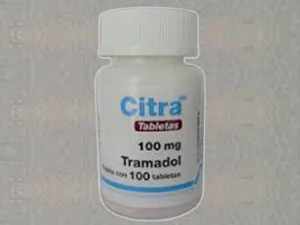
Tramadol is a prescription medication that contains 100 milligrams of tramadol chloride. This strength is only available in certain formulations. Tramadol is an opioid analgesic and it’s used to treat certain types of pain.
Tramadol can be described as “a weaker opioid” but this description may create an unwarranted sense of security. Tramadol is still capable of causing significant side effects, including physical dependence, misuse and respiratory depression that can be life-threatening.
It also has pharmacological actions beyond the traditional opioid activity. It affects the body’s neurotransmitters, such as serotonin or norepinephrine.
This is why tramadol’s safety profile differs from that of other opioids.
Patients who are considering Tramadol for pain relief must be aware of both the benefits and risks.
FDA prescribing information describes tramadol immediate-release as an opioid analgesic when pain is severe enough to need an opioid and alternative treatments are ineffective.
Tramadol Hydrochloride is the active ingredient.
The strength and release mechanism of different products may differ. It is not appropriate to treat immediate-release tablets as the same product as extended-release formulations.
It is more important to read the label of a specific prescription than online generalized information.
Tramadol is an Opioid.
Yes.
Tramadol, an opioid analgesic, is available in the form of a tablet. Although its pharmacology is different from other opioids it can still cause opioid-related side effects.
This includes sedation and respiratory depression as well as tolerance, physical dependence and misuse.
Tramadol is used for what?
Tramadol is primarily used to treat pain.
Tramadol is a medication that a healthcare professional might prescribe if the pain is severe enough to warrant an opioid, and other options of treatment are ineffective or inappropriate.
It is more important to consider the medical history of the patient than the pain intensity.
Tramadol for acute Pain
Acute pain may occur following:
- An injury
- The following are some of the most effective ways to reduce your risk.
- Medical procedure
- Certain illnesses
- Musculoskeletal disorders
The treatment focuses both on relieving symptoms as well as addressing the cause.
When prescribing an opioid, clinicians generally take into account the patient’s risk factors and the length of treatment.
Tramadol is also used to treat other pain conditions
Tramadol’s effectiveness depends on the type and cause of pain.
The pain can be:
- Musculoskeletal
- Neuropathic
- Postoperative
- Injury-related
- Inflammatory
- The Chronic Disease
Treatments for different causes can have different effects.
It is for this reason that searching for “the strongest painkiller” can be less helpful than identifying the source of pain.
Tramadol: It’s not always the best option
When:
- The pain is mild
- Treatments that do not involve opioids are likely to be effective
- Significant medication interactions are present in the patient
- High risk of harm from opioids
- Patient has certain medical conditions
- A different treatment is more effective in treating the underlying condition
Individualized treatment is always the best.
What is the Tramadol 100mg Effect?
Tramadol’s 100mg mechanism is much more complex than many other pain relievers.
Tramadol is a drug that has two major pharmacological effects.
It interacts first with the opioid receptors.
It also inhibits serotonin reuptake and norepinephrine.
These effects together influence the way pain signals are processed in the central nervous system.
Opioid receptor activity
Tramadol interacts with the mu-opioid opioid receptor.
The activation of opioid receptors may reduce the perception and intensity of pain.
These same receptors can also affect breathing, alertness and gastrointestinal movements, as well as reward pathways.
This is why a pain-relieving medication can also be a cause of:
- Sleepiness
- Constipation
- Respiratory depression
- Dependence
- Misuse
Norepinephrine and Serotonin
Tramadol affects serotonin, norepinephrine and their signaling.
It is important to note that other drugs can affect these neurotransmitter system.
Tramadol combined with antidepressants and other serotonergic drugs may increase the risk for serotonin syndrome.
In some cases, it can also increase the risk of seizures.
It is therefore important to review all medications before starting treatment.
Tramadol Dosage and Administration 100mg
You should not rely on an article online to determine the dosage of Tramadol.
The right regimen will depend on the formulation used and the circumstances of the patient.
Some factors that can influence the prescribing of medications include:
- Age
- Medical history
- Pain severity
- Previous opioid exposure
- Kidney function
- Liver function
- Other medications
- Treatment duration
- Individual Response
Why Formulation is Important
Tramadol is available in many different forms.
A product designed for immediate release is different from a product that has been extended-released.
The dosing schedules are different and they should not be used interchangeably without professional guidance.
Tramadol 100 mg Tablet
The patient must follow the directions on the label of the prescription if the prescription contains 100mg Tramadol tablets.
The “100mg’ tells you how strong the tablet is. The number “100mg” does not tell you the frequency of taking it.
Never increase the dose yourself
It is common to assume that pain persists and therefore more medication is needed.
It can be dangerous.
Increased opioid exposure can:
- Sedation
- Dizziness
- Respiratory depression
- Seizure risk
- Dependence
- Overdose risk
Contacting the prescribing professional is the best option if pain cannot be adequately controlled.
Tramadol 100mg Side Effects
Tramadol side effects can range in severity from mild to severe.
Among the most commonly reported side effects are:
- Nausea
- Dizziness
- Sleepiness
- Constipation
- Headache
- Vomiting
- Dry Mouth
- Sweating
- Fatigue
Individual reactions can vary.
Patients who experience severe, abnormal, or rapidly worsening symptom should consult a healthcare professional.
Tramadol and dizziness
Tramadol can cause dizziness.
It is especially important to be aware of this for older adults, as dizziness can lead to falls.
Before performing any activity that requires balance or concentration, patients should be aware of how their medicine affects them.
Tramadol and drowsiness
Tramadol can reduce alertness.
This effect can be intensified by combining it with other sedating drugs.
If you feel drowsy, don’t assume it is harmless.
Tramadol and Constipation
Opioids may slow the movement of food through your gastrointestinal tract.
Constipation is a common side effect of opioid therapy.
Constipation should be discussed with a health professional, especially if it is severe or accompanied by vomiting or abdominal pain.
Serious Tramadol 100mg Risks
Tramadol 100mg is associated with serious risks to the respiratory and nervous systems.
The risks are increased by excessive exposure to drugs or drug combinations.
FDA prescribing information contains warnings about addiction, abuse, misuse and life-threatening respiratory depression. It also warns against accidental ingestion and neonatal opioid withdrawal.
Respiratory Depression
Respiratory depression is a condition in which breathing becomes unsafely slow or insufficient.
Warning signs that you should be aware of include:
- Slow breathing
- Shallow breathing
- Difficulty waking
- Sedation to extremes
- Consciousness loss
This is a deadly mistake.
The risk can be increased when opioids are taken with alcohol, benzodiazepines or other substances which depress the nervous system.
Misuse and addiction
Tramadol is a drug that can be misused.
The following are examples of misuse:
- Take more than the prescribed amount
- Take it more often than prescribed
- You can use someone else’s medication
- Take it for other reasons than pain
- Combine it with other substances for intensified effects
Opioid use disorder can be caused by repeated misuse.
Tramadol Drug Interactions 100mg
Drug interactions with Tramadol (100mg) are important for a safe treatment.
Patients should include a list of all:
- Prescription medicines
- Over the counter medicines
- Vitamins
- Supplements
- Recreational Substances
Tramadol and Benzodiazepines
Sedation and respiratory depression can be caused by benzodiazepines.
When combined with opioids, the risks of respiratory depression, coma and death are increased.
The combination of these medications should only be done if it has been evaluated and prescribed by an experienced healthcare professional.
Tramadol, Antidepressants
Serotonin is affected by certain antidepressants.
Tramadol affects serotonin as well, so certain combinations can increase the risk for serotonin syndrome.
Tramadol’s effects can be altered by antidepressants that affect the metabolism of tramadol.
The pharmacist or prescriber should review the combination.
Tramadol Opioids and Other Opioids
Tramadol taken with other opioids can increase the overall opioid exposure.
Never add an opioid on its own.
Tramadol and sleep medicines
Certain sleep medicines can produce sedation.
Tramadol may have a stronger sedating effect when combined with it.
Another reason to check every drug before beginning treatment is that it can cause side effects.
Tramadol Alcohol
Tramadol and alcohol are dangerous when taken together.
Alcohol can cause central nervous system depression.
Combination may increase:
- Drowsiness
- Dizziness
- Lack of coordination
- Respiratory depression
- Consciousness loss
It is safer to talk about alcohol consumption with your prescribing professional than assume that a small amount of alcohol is harmless.
Tramadol and Seizure Hazard
Tramadol may increase the risk for seizures.
People who have seizures or take medicines that lower seizure thresholds may be at greater risk.
The risk increases with high doses of certain drugs or combinations.
Tramadol should not be prescribed to anyone with a seizure history.
A seizure during treatment requires prompt medical assessment.
Tramadol Serotonin Syndrome
Tramadol can cause serotonin-related syndrome when it interacts with other serotonergic drugs.
The following symptoms can occur:
- Agitation
- Confusión
- Sweating
- Tremor
- Fever
- Rapid heart rate
- Muscle rigidity
- Reflexes abnormales
If you experience severe symptoms, seek medical attention immediately.
Patients should not try to treat a suspected serious reaction at home by taking another medication.
Tramadol dependence and withdrawal
Physical dependence can be caused by repeated exposure to opioids.
The body becomes physically dependent on the medication.
Dependence is not the same as addiction, even though they can occur together.
Tramadol dependence symptoms
Signs that you may see include:
- After missing doses, withdrawal symptoms can occur
- Tolerance levels are increasing
- Use of the product is made more difficult
- Feeling unable to stop
- Constant cravings
Even if a person takes tramadol as prescribed, they can still become physically dependent.
This does not mean that they did something wrong.
Tramadol Withdrawal
Withdrawal symptoms can occur if you stop taking tramadol regularly.
The following symptoms may occur:
- Anxiety
- Restlessness
- Sweating
- Chills
- Muscle pain
- Insomnia
- Nausea
- Diarrhea
- Irritability
Tramadol can cause unusual psychological or sensory symptoms.
If you have been taking tramadol regularly, it is important to discuss the discontinuation of your medication with your healthcare provider.
Tramadol Overdose Signs and Emergency Safety
Tramadol overdoses can be deadly.
Possible symptoms include:
- Extreme sleepiness
- Difficulty waking
- Breathing that is shallow or slow
- Consciousness loss
- Confusion is severe
- Seizures
Overdoses should be treated like a medical emergency.
Naloxone and Opioid overdose
Naloxone, an opioid antagonist, can reverse respiratory depression caused by opioids.
Healthcare professionals may suggest that people who are at an increased risk of opioid addiction have naloxone on hand.
When an overdose is suspected naloxone can be administered according to the instructions if it’s available. Emergency medical services should also be contacted.
Naloxone is not a substitute for emergency medical treatment.
How long does Tramadol 100mg last?
Many people search “how long will Tramadol 100mg Last?”
Answer: It depends on a number of factors.
Included are:
- Formulation
- Individual metabolism
- Dose
- Frequency of Use
- Kidney function
- Liver function
- Other medications
Tramadol with immediate release and tramadol with extended release have different characteristics.
The patient should follow the dosage schedule for their product, rather than calculating a dose based upon an estimated duration.
How long does Tramadol stay in your system?
Tramadol’s pain relieving effects are affected by how long it stays in your body.
After the effects of the medicine have diminished, its metabolites and other substances can still be found in your body.
Detection depends on:
- Individual metabolism
- Dose
- Frequency of Use
- Duration of treatment
- Kidney function
- Types of tests
Test methods include:
- Urine
- Blood
- Saliva
- Hair
Each method is unique.
There is therefore no universally applicable detection window.
Tramadol 100mg for Different Pain Types
Tramadol should be prescribed based on the cause of pain.
Tramadol for acute Pain
Acute pain is usually the result of an injury, a surgery or a serious illness.
In general, the goal is to reduce pain and treat its underlying causes.
Tramadol for Chronic pain
Chronic pain is a condition that requires a more comprehensive assessment.
Considerations regarding tolerability, dependence, adverse reactions, and functional outcomes are important when considering long-term opioid treatment.
Depending on the condition, a healthcare professional might consider other treatment options, such as non-opioid medication, physical therapy or exercise, behavioral approaches, and/or other types of treatments.
Tramadol for Nerve Pain
Tramadol is prescribed to treat neuropathic and other pains.
Nerve pain can be caused by many different things and is treated in a variety of ways.
Before choosing a medication, it is important to make a correct diagnosis.
Tramadol 100mg and Other Pain Relief Medicines
Tramadol can be used to treat pain.
Healthcare professionals may also consider:
- Acetaminophen
- NSAIDs
- Topical medications
- Physical Therapy
- Local Treatments
- Other prescription medications
- Interventional procedures
The best option for a patient depends on their health and the cause of the pain.
No universal pain medication is the best for everyone.
Tramadol vs Oxycodone
Another common search is Tramadol or oxycodone.
They are both opioids, but the pharmacology of each differs.
Tramadol is an opioid and affects both serotonin (and norepinephrine) and serotonin.
Oxycodone is primarily a narcotic that acts on opioid receptors.
Differences can be seen in:
- Pain relief
- Side effects
- Drug interactions
- Seizure risk
- Respiratory depression
- Dependency potential
You should not choose one over the other based on whether it sounds “stronger”, “weaker” or “different”.
The clinical situation will determine the appropriate medicine.
Tramadol 100mg for Older Adults
The elderly can be more sensitive than younger adults to medications that cause dizziness or sedation.
You may also see changes in the kidneys or liver due to age.
Some of the potential concerns include:
- Falls
- Confusión
- Sedation
- Drug interactions
- Respiratory depression
Tramadol is prescribed to older adults with caution by healthcare professionals.
Tramadol and liver or kidney problems
The liver and kidneys are two organs that help the body process and eliminate medicines.
The medication you receive can be affected by impaired function.
Tramadol should not be taken by patients with kidney or liver diseases.
A different medication or additional monitoring may be required to determine the appropriate treatment.
Tramadol 100mg During Pregnancy
Each pregnancy requires a medical evaluation.
Both the mother and the baby can be affected by opioid exposure during pregnancy.
Neonatal opioid withdrawal syndrome can be caused by long-term opioid exposure.
Tramadol should be discussed with a healthcare professional by anyone who is pregnant or planning to become pregnant or who is breastfeeding before beginning or stopping treatment.
Tramadol 100mg while driving
Tramadol may affect alertness, coordination and coordination.
Some people experience:
- Sleepiness
- Dizziness
- Blurred Concentration
- Slower reactions
It is therefore possible to drive in a dangerous manner.
Before engaging in any activity that requires full attention, patients should be aware of their own individual responses to the medication.
Alcohol and other sedatives may increase impairment.
Tramadol Storage and Disposal of 100mg
Store prescription opioids safely.
Storage properly helps to prevent accidental exposure and unauthorized usage.
Keep medications away from:
- Children
- Visitors
- Other household members
- Any person who does not possess a prescription
Dispose of unused medication according to the local pharmacy’s or regulatory guidelines.
Don’t leave any unused opioid medications in a place where they can be easily accessed.
Tramadol Online 100mg: Pharmacy and Prescription Safety
Online healthcare services offer convenience, which is why more people are searching for Tramadol online.
Medical oversight should never be replaced by convenience.
Tramadol, a prescription opioid drug, is available only through online pharmacies and healthcare services. Consumers should ensure that any service or pharmacy they use adheres to the local laws.
What a legitimate online pharmacy service should provide
Look for these symptoms in patients:
- Clear pharmacy identification
- Appropriate licensing information
- Valid prescription requirements, where applicable
- Qualified healthcare professionals
- Pharmacist support
- Clear Medication Information
- Transparent contact details
- Safe handling of personal data
Websites that promise prescription opioids without medical evaluation or make unrealistic promises about availability should be avoided.
Tramadol 100mg Availability
Tramadol is not appropriate for all patients.
Stock levels can also differ by pharmacy, location, formulation and formulation.
It is not enough to ask if a drug is “available.”
It is important to ask whether the drug can be legally and appropriately provided to a patient who has a legitimate need for it.
The most responsible approach for healthcare websites providing prescription information or pharmacy service is to explain the prescription process and encourage the patient to consult qualified professionals.
How to verify a legitimate online pharmacy
Check several things before ordering prescription medications online.
Verify License
A pharmacy that is legitimate should adhere to all regulatory requirements.
Check the Prescription Requirements
Be wary if you see a website that claims opioids prescribed by doctors can be obtained without prescription.
Seek Professional Support
The service must be able to provide the appropriate health care or pharmacy professionals.
Check Contact Information
Contact details should be clear and verified.
Avoid Unrealistic Claims
Be wary of claims that involve:
- Guaranteed results
- No prescription is required
- Unlimited Supplies
- Lowest prices ever
- Instant Medical Approval
- Anonymous or secret sales
Prescription medications should only be provided through legitimate healthcare channels.
Who should use extra caution with Tramadol
People with:
- History of seizures
- Breathing disorders
- Sleep Apnea
- Kidney disease
- Liver Disease
- Prior opioid problems
- Substance-use disorder
- History of Overdose
- Multiple medications
- Antidepressants are available in certain forms
It does not mean that a person can’t use tramadol.
A healthcare professional should carefully assess the risks and benefits.
Tramadol 100mg Questions You Should Ask Before Taking it
Asking direct questions can help patients get better treatment.
Why have I been prescribed tramadol for pain?
Patients who understand the purpose of treatment are more likely to use it correctly.
Do I need 100mg?
The strength of the formulation and individual circumstances will determine what is appropriate.
How long can I use the product?
Duration can affect dependence and other risks.
What drugs should I avoid?
A review of your medication can help you identify any dangerous interactions.
Can I drive and take it?
It depends on the medication and how it affects your alertness and coordination.
What should I take if I missed a dose of the medication?
Answer: It depends on the prescription and formulation.
What is the best way to stop my treatment?
Those who take tramadol regularly may want to ask about a plan for stopping the drug.
FQA
What is Tramadol 10mg?
Tramadol is a formulation that contains 100 milligrams of tramadol chloride. Tramadol, an opioid analgesic, is used to treat certain types of pain.
Tramadol is used to treat what?
The prescribing information of immediate-release tramadol states that it is prescribed for severe pain when other treatment options are not adequate.
Tramadol 100mg is an opioid.
Yes. Tramadol has opioid properties.
What are the common side effects of Tramadol?
Side effects can include nausea, dizziness and drowsiness.
Can Tramadol 100mg cause addiction?
Yes. Tramadol is a drug that can be abused and lead to physical dependence or addiction.
Can Tramadol cause seizures?
Yes. Tramadol is known to cause seizures, especially in certain situations and when combined with other drugs.
Tramadol and alcohol: Can it be combined?
Alcohol can cause central nervous system depression. Alcohol use should be discussed with a healthcare professional.
Tramadol and antidepressants: Can they be taken together?
Certain combinations may increase the risk for serotonin syndrome and seizures. The complete list of medications should be reviewed by a healthcare professional.
How long will Tramadol remain in your body?
The type of test, the frequency, the dose, and kidney function will all affect how you detect drugs.
Can Tramadol withdrawal be the cause?
Yes. Yes.
Is Tramadol available online?
Online pharmacies and healthcare services that are legitimate may offer prescription medications when legally permissible and when the prescription requirements have been met. Patients should check the pharmacy process and prescription.
Tramadol is suitable for all?
No. Risk can be increased by certain medical conditions or medication combinations. A healthcare professional will determine suitability.
Final Thoughts
Tramadol can be used to relieve pain in certain patients. However, it shouldn’t be taken as a regular painkiller.
This is an opioid drug with potentially serious side effects.
Understanding why a medicine is prescribed and how to use it safely is the best way to start.
Patients should be particularly attentive to:
- Tramadol 100mg uses
- Prescriptions
- Tramadol 100mg side effects
- Drug interactions
- Alcohol and other drugs
- Seizure risk
- Respiratory depression
- Dependence
- Withdrawal
- Overdose
- Safe storage
- Online Pharmacy Verification
Its effect on opioid receptors may provide pain relief. However, its effects on norepinephrine and serotonin create other interactions to consider.
This combination makes it particularly important to review medications.
Tramadol online is available, but it does not replace medical evaluation. A legitimate pharmacy must follow all applicable prescription rules, and offer professional support.
Tramadol is not the only option for someone who experiences persistent pain. If pain persists despite treatment, it may be a sign that the condition at its root needs to be evaluated.
Tramadol should only be used as prescribed, with no dangerous combinations. It must also be stored securely. Seek professional advice if the treatment does not work as expected.
Most importantly, signs of a possible opioid overdose–particularly extreme difficulty waking, loss of consciousness, or dangerously slow or difficult breathing–require emergency medical attention.
Tramadol is a good prescription pain medication when it’s prescribed and used properly. The benefits of Tramadol must be weighed against the opioid-related risks.
It is not necessary to take the strongest medication available in order to receive a safe treatment. It’s about selecting the right treatment and using it responsibly for the patient.
