

Percocet Side effects risks and safety guide
safety
What is Percocet?
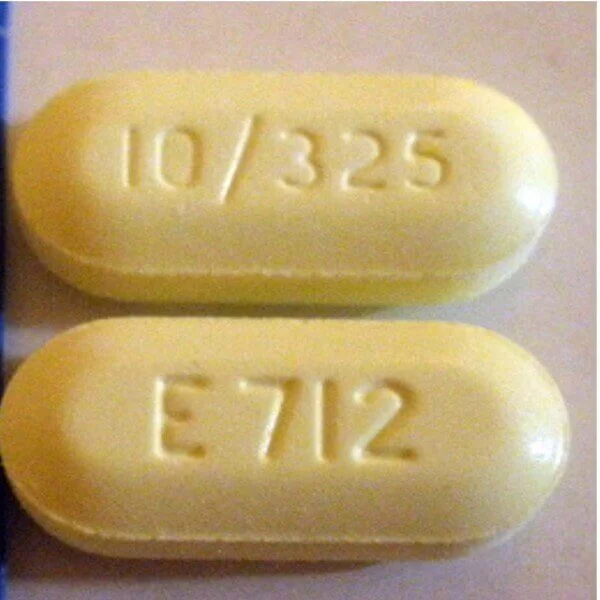
Percocet, a pain reliever prescribed by a doctor, contains two active ingredients – oxycodone (a painkiller) and acetaminophen.
Oxycodone, an opioid analgesic, is available in the United States. Acetaminophen, a non-opioid analgesic, can improve overall pain control.
This combination is for severe pain when other treatment options fail to relieve it. Percocet is described by the FDA as a medication that can be used to manage pain severe enough for an opioid analgesic.
Percocet should not be used as a regular over-the counter painkiller. Percocet Side effects
This product contains an opioid that can pose serious risks including respiratory depression, misuse and addiction.
Another safety concern is the acetaminophen ingredient: too much can lead to liver damage.
Percocet is composed of two pharmacological components, and it has two distinct safety concerns.
Anyone who uses or researches the medication must understand both.
Percocet contains:
- Oxycodone hydrochloride
- Acetaminophen
Percocet has been manufactured in different formulations, each containing a different amount of oxycodone or acetaminophen. Patients should always verify the strength of their prescription.
Older FDA-approved Percocet labeling, for example, identifies formulations including oxycodone/acetaminophen 5 mg/325 mg.
It is important to know the exact formulation because acetaminophen must be considered when calculating total daily exposure.
Percocet is used for what?
Percocet is used to treat pain that is severe enough to warrant an opioid analgesic, when other options fail.
If a doctor believes that the benefits of an opioid treatment will outweigh any risks, it may be prescribed.
Percocet for moderate to severe pain
Percocet’s labeling has historically described it as a pain reliever for moderate to moderately intense pain. Current FDA safety information for oxycodone/acetaminophen products emphasizes use for pain severe enough to require an opioid when alternative treatments are inadequate.
Percocet should only be used in situations where other pain management strategies are not sufficient.
Considerations that a clinician might make include:
- Pain and its causes
- Severity and severity of symptoms
- Expected duration
- Prior treatments
- Medical history
- Other medications
- The risk of opioid-related complications
Percocet for short-term pain
Percocet can be prescribed for certain injuries, procedures or operations, when it is deemed appropriate to use opioids as a pain reliever.
Individualize the length of treatment.
The patient should not automatically assume that a persistent pain means that the medication should be increased or continued.
Persistent pain deserves reassessment.
What is the Percocet Effect?
Percocet’s mechanism of action can be understood by looking at the two ingredients separately.
Oxycodone: How Does It Work?
Oxycodone binds to opioid receptors located in the central nervous systems.
These receptors affect how the brain and spinal chord process pain signals.
Oxycodone reduces pain perception and changes the emotional response when exposed to painful stimuli.
The opioid receptors also influence breathing, alertness and gastrointestinal functions, among other systems.
This is why oxycodone has both therapeutic and potentially harmful side effects.
Acetaminophen: How Does It Work?
Acetaminophen relies on a different mechanism to relieve pain.
It is a pain reliever that can be used to reduce fever and pain without having the same opioid effect as oxycodone.
The combination of the two ingredients provides an analgesic effect through different mechanisms.
The combination of opioids and acetaminophens also requires that patients consider both their safety as well as the safety of their acetaminophens.
Percocet Dosage and Administration
It is important to know the correct dosage of Percocet, but patients should also avoid self-treatment.
The dose is determined by the prescription.
Some factors that can influence the prescribing of medications include:
- Pain severity
- Previous opioid exposure
- Age
- Medical Conditions
- Kidney or liver function
- Other medications
- Treatment duration
- Individual Response
Depending on the clinical situation, a healthcare professional can choose a different strength or dosage interval.
Percocet 5/325
Percocet 5/325 is a formulation that contains oxycodone in the amount indicated by the product strength.
The patient should carefully read the label on the medication rather than relying solely on its appearance.
Percocet 10/325
Percocet 10/325, another popular formulation, is also commonly searched.
The amount of oxycodone in a prescription does not necessarily indicate better or more effective pain relief.
Increased opioid exposure increases the risk of adverse reactions and overdose.
Why you should not increase Percocet yourself
It is dangerous to increase the dosage on your own if the pain persists after taking prescribed medication.
It is possible that the problem does not stem from an insufficient exposure to opioids.
Pain can be caused by:
- The condition will progress.
- Inflammation
- Nerve damage
- Infection
- A new injury
- Opioid tolerance
- Hyperalgesia induced by opioids
A healthcare professional is best suited to determine the correct response.
Percocet Side Effects
Before taking Percocet, it is important to understand the side effects.
Percocet contains the opioid oxycodone. Common opioid-related side effects include:
- Drowsiness
- Dizziness
- Nausea
- Vomiting
- Constipation
- Headache
- Itching
- Weakness
- Sedation
- Reduced coordination
Not everyone is affected by the same symptoms.
Other patients may experience more severe reactions. Some may only have mild symptoms, which will improve over time as the body adapts.
Percocet and Constipation
Constipation can be a common side effect of opioid medication.
Opioids may slow down gastrointestinal movements.
Constipation should be discussed with a health professional before adding more medications.
Percocet and Drowsiness
Percocet can cause a loss of alertness.
If you feel unusually dizzy or sleepy, it is best to avoid activities that require concentration.
If the medication impairs your ability to drive or operate machinery, it can be dangerous.
Percocet: A Drug with Serious Side Effects
Percocet has risks that go beyond the usual side effects.
The following are serious opioid-related risks:
- Respiratory depression
- Misuse
- Abuse
- Addiction
- Physical dependence
- Overdose
- Sedation is dangerous
FDA has identified serious risks associated with prescription opioids, including addiction, abuse and misuse, respiratory depression and accidental exposure.
Respiratory Depression
Slow or inadequate breathing is one of the most harmful opioid effects.
The risk of opioid overdose can be increased by combining them with other central nervous systems depressants and higher doses.
Liver Injury
Acetaminophen is a separate component that can be a concern.
Acetaminophen taken in excess can lead to liver damage or even failure.
FDA warns consumers not to exceed recommended acetaminophen amounts and to avoid accidentally combining multiple acetaminophen-containing medicines.
It is important to note that acetaminophen can be found in a number of prescription and non-prescription products.
Percocet Drug Interactions
Drug interactions with Percocet can change the risk profile of this medication.
Patients should inform their doctor about all prescription medicines, over-the counter products, supplements, and substances they use.
Percocet and Alcohol
Alcohol can increase oxycodone’s sedating effect.
Alcohol and opioids can cause respiratory depression, severe sedation, or even death.
Alcohol consumption should be discussed with the healthcare provider if you are taking Percocet.
Percocet and Benzodiazepines
Benzodiazepines are commonly prescribed to treat anxiety, panic disorder and insomnia.
Combining benzodiazepines with opioids can cause respiratory depression, coma and death. FDA warns against this combination.
Never add or discontinue any medication without medical advice.
Percocet and Other Acetaminophen products
It is easy to overlook this interaction.
Percocet users may also use cold medicines, headache medications, or other pain relievers containing acetaminophen.
This can increase acetaminophen intake unintentionally.
The FDA urges consumers to read labels carefully because hundreds of prescription and over-the-counter medicines contain acetaminophen.
Percocet dependence and withdrawal
Physical dependence can be caused by repeated opioid exposure.
Dependency is the adaptation of the body to the medication.
Addiction is not the same as drug abuse.
It is possible to develop physical dependency while taking the prescribed medication exactly as instructed.
Percocet Dependence
With prolonged exposure, it is more likely that dependence will develop.
Some of the signs that warrant medical attention include:
- Tolerance levels are increasing
- If you have difficulty reducing your medication, it could be because of the following:
- When doses are missed, withdrawal symptoms can occur
- Strong Cravings
- Use the medication differently than prescribed
- Continuing use despite significant harm
Medically, it is important to manage dependency.
Percocet Withdrawal
If physical dependence has been developed, stopping abruptly an opioid can cause withdrawal.
Possible symptoms include
- Restlessness
- Anxiety
- Sweating
- Muscle pain
- Runny nose
- Constipation
- Nausea
- Vomiting
- Diarrhea
- Insomnia
- Heart rate increases
The withdrawal process can be very uncomfortable.
If you have been taking Percocet on a regular basis, it is best to discuss the discontinuation of this medication with your healthcare provider before stopping abruptly.
Percocet Overdose Signs and Safety
Percocet can cause a life-threatening overdose due to the oxycodone content.
Warning signs that you should be aware of include:
- Slow breathing
- Unregular breathing
- Extreme sleepiness
- Unable to wake
- Consciousness loss
- Small or pinpoint pupils
- Pale, gray or blueish skin
An opioid overdose suspected should be treated as a medical emergency.
Overdoses of Naloxone or Percocet can be treated with Naloxone.
Naloxone, an opioid antagonist, can reverse respiratory depression caused by opioids.
CDC recommends clinicians offer naloxone as a treatment to those at higher risk of an opioid overdose. This includes people who are taking higher doses of opioids, or opioids in combination with benzodiazepines.
If you have naloxone and suspect an opioid overdose, administer it according to the instructions until emergency medical help arrives.
Naloxone is not a substitute for emergency medical care.
Percocet and Acetaminophen – An important safety issue
The oxycodone is the component that gets the most attention. However, acetaminophen deserves to be given equal consideration.
Acetaminophen, a widely used drug, is safe if taken as directed.
Excessive exposure is dangerous.
The FDA warns that taking too much Acetaminophen may cause liver damage and even death.
How accidental Acetaminophen overdose occurs
A patient may take Percocet and then unknowingly take another acetaminophen-containing product.
Acetaminophen, for example, may be found in certain medications.
- Cold medicine
- Flu medicines
- Headache medicine
- Prescription pain medicines
- Combination products
Why it is important to read every label on a medication.
Acetaminophen Toxicity Symptoms Severe
The following symptoms are possible:
- Nausea
- Vomiting
- Abdominal pain
- Loss of appetite
- Confusión
- Yellowing of skin or eyes
- Dark urine
It is important to note that symptoms may not be immediately apparent.
If you think that you have taken too much of acetaminophen, seek medical attention immediately.
Percocet vs Oxycodone
The search for Percocet and oxycodone occurs frequently because both terms are closely related.
The easiest distinction to make is:
Percocet = oxycodone + acetaminophen
Oxycodone is an opioid active ingredient that can be found in many formulations
Percocet contains oxycodone but not all oxycodone products are Percocet.
Percocet, for example, may combine oxycodone with acetaminophen.
The Difference is Important
Percocet is a combination of acetaminophen and an opioid.
This means that the person must:
- Opioid-related risks.
- Acetaminophen-related risks.
A person who takes a product containing only oxycodone will not be exposed to the same amount of acetaminophen.
When considering other medications, this difference can be significant.
How long does Percocet stay in your system?
The length of time Percocet remains in your system is dependent on several factors.
Included in this category are:
- Dose
- Frequency of Use
- Duration of treatment
- Metabolism
- Age
- Liver function
- Kidney function
- Other medications
- Types of Drug Test
No single number is applicable to all.
Percocet and the body
Different pathways are used by the body to metabolize oxycodone, acetaminophen and other drugs.
Oxycodone and acetaminophen are both metabolized primarily in the liver.
Metabolites can remain detectable even after a drug’s effects are no longer noticeable.
Percocet and Drug Testing
Different tests detect different substances or metabolites.
Testing can include:
- Urine
- Blood
- Saliva
- Hair
The detection windows are different in many ways.
It is not wise to rely on a calculator online to determine whether or not a test will come back positive.
The testing provider will explain to you if drug testing is relevant for employment, medical or legal reasons.
Percocet Safety for Elderly Adults
Sedating medication can be more irritating to older adults.
The effects of opioid-related sedation can be increased by factors such as reduced physical reserve, multiple medications and balance problems.
Some of the potential concerns include:
- Falls
- Confusión
- Sedation excessive
- Respiratory depression
- Drug interactions
Healthcare professionals should therefore be extra cautious when prescribing opiates to older patients.
Percocet and Liver Health
Percocet, which contains acetaminophen, is particularly harmful to the liver.
People with liver disease should tell their healthcare professional before taking acetaminophen-containing medication.
Alcohol consumption can also have a negative impact on safety.
The FDA warns that excessive exposure to acetaminophen can cause liver damage.
It is important to note that patients should never combine pain medications without first checking the active ingredients.
Percocet Storage and Safe Handling
Store prescription opioids safely.
This prevents:
- Accidental ingestion
- Theft
- Misuse
- Exposure of children
- Unauthorized use
Follow local instructions to dispose of any unused opioid medications.
It is not acceptable to leave unusable prescription opioids in a place where others can easily access them.
Percocet: How to use it responsibly
To be responsible, you must follow the instructions exactly.
Patients should:
Do Not Alter the Prescription
Don’t change the dosage or frequency on your own.
Never share Percocet
The person named on a prescription will receive the prescription.
Avoid Combinations That Are Not Approved
Percocet should not be combined with alcohol, benzodiazepines or any other sedating substance unless directed to do so by a medical professional.
Acetaminophen is also found in other medicines
You can prevent accidental over-exposure to acetaminophen by using this method.
Keep it Safely
Keep medication out of reach of children and other people.
Ask Before You Stop
Stopping abruptly can cause withdrawal if regular use has led to dependence.
Percocet is suitable for everyone?
No.
People with:
- Breathing disorders
- Liver Disease
- Kidney disease
- History of substance abuse disorder
- Previous opioid overdose
- Aged
- Sedative medications taken concurrently
- Severe gastrointestinal problems
- Certain neurological conditions
FDA labeling lists significant respiratory depression and certain other conditions among important contraindications or warnings for oxycodone/acetaminophen products.
Percocet can be prescribed to a patient based on the information provided in an article.
Percocet prescriptions and pharmacy access are legal
When searching for Percocet online or other legitimate options, it is best to focus on the regulated healthcare channels and not anonymous sellers.
The prescription process must include a clinical evaluation.
Patients should be able:
- The healthcare provider
- The pharmacy
- Licenses applicable
- Prescriptions
- Medication Information
- Pharmacist support
Websites that offer prescription opioids are especially dangerous, as they may not have the proper medical oversight.
FDA has taken enforcement action against websites marketing unapproved or misbranded oxycodone/acetaminophen products, demonstrating why consumers should verify the source of prescription medicines.
It is safer to promote a website about health by educating people on legitimate prescriptions, not promising unrestricted access to opioids.
frequently Asked questions
What is Percocet?
Percocet, a prescription drug containing oxycodone acetaminophen, is available only by prescription. It is prescribed for severe pain that requires an opioid, when other treatments fail to relieve it.
Percocet is used for what?
Percocet can be used to treat severe pain when opioids are considered appropriate.
Percocet is an opioid.
Yes. Yes.
Percocet is the same as Oxycodone.
No. Percocet contains oxycodone plus acetaminophen. As a single ingredient, oxycodone is also available.
What are some of the most common Percocet effects?
Some of the most common side effects include nausea, vomiting and constipation.
Can Percocet cause dependence?
Yes. Yes.
Percocet overdose: Can it happen?
Yes. Overexposure to opioids can lead to respiratory depression and death.
Percocet and alcohol: Can it be taken together?
Alcohol and opioids can cause respiratory problems, as well as a central nervous system depression. Alcohol use should be discussed with your healthcare provider.
Percocet and Xanax: Can they be taken together?
Xanax contains alprazolam, a benzodiazepine. Combining opioids with benzodiazepines can cause respiratory depression, profound sedation, and even death.
How long will Percocet remain in your system?
It is not possible to detect a drug at a universal time. The detection time varies depending on the individual, doses, frequency of usage, metabolism and type of test.
Does Percocet contain acetaminophen?
Yes. Percocet is an oxycodone/acetaminophen combination product.
What is the importance of acetaminophen in Percocet?
Acute liver damage can be caused by excessive acetaminophen consumption. Check other medications for acetaminophen before taking to prevent accidental duplication.
Final thoughts
Percocet is a medically approved painkiller that has a proven role in treating severe pain. However, it shouldn’t be considered merely a painkiller.
The two active ingredients in this product create two distinct areas for concern.
Oxycodone is an opioid that provides pain relief, but it comes with risks, including sedation and respiratory depression. It also carries addiction, dependency, withdrawal symptoms, and overdose.
Acetaminophen is a powerful pain reliever, but excessive consumption can cause liver damage.
This combination makes it particularly important to be aware of medications.
Percocet is a powerful pain reliever. It should only be taken as prescribed.
Patients must also be aware that the dosage of Percocet should not be increased solely based on information found online. If the pain persists or worsens, it should be discussed with a prescribing professional.
Percocet is a powerful pain reliever. It can be used to treat a variety of conditions.
Prescription opioids are not just meant to provide stronger pain relief.
The treatment should include pain management with the lowest possible risk, careful monitoring and a plan of action tailored to each patient.
After taking an opioid drug, if a person becomes extremely sleepy, can’t be woken up, or is having dangerously slow breathing or difficulty breathing, this should be treated urgently. Naloxone reverses opioid effects. It should be used as directed when available while emergency medical attention is sought.
Percocet can be used safely if you follow the instructions of a professional, use it when prescribed by a doctor, know the active ingredients and do not underestimate the risks.
